Search Results
260 results for “cat eye health”

Why Are My Dog’s Eyes Often Red?
Red eyes in an otherwise healthy dog usually come down to irritation, a bacterial infection, or a minor injury. Flush out foreign objects with clean water, treat infections with dog-specific eye drops, and never use human drops. See a vet for anything deep or worsening.

How Many Days Can a Cat Go Without Food?
A cat given only water can survive about a week; with no water at all, fatty liver and kidney strain set in fast. For solo owners, keep water topped up and use an auto-feeder, plus a healthy diet and exercise to stay resilient.

Why Are My Teddy Dog’s Eyes Red?
Red, irritated eyes are common in dogs and can range from harmless to serious. Frequent triggers include exercise, diet-related 'heat,' foreign objects, infections, and injuries. Most mild cases improve with gentle cleaning, but persistent redness needs a vet check to protect your dog's vision.

Early Signs of Cat Rhinotracheitis (Feline Herpesvirus)
Cat rhinotracheitis, caused by feline herpesvirus-1, is a highly contagious respiratory infection that spreads quickly between cats. Early signs look a lot like a cold — watery eyes, sneezing, nasal discharge, low energy, and poor appetite — but left untreated it can turn serious and even fatal. Isolating a sick cat and seeing a vet promptly are the most important first steps.

What to Give a Cat With Diarrhea
Before reaching for any medication, figure out why your cat has diarrhea—diet change, gastritis, or parasites each call for a different response. Probiotics and a bland diet resolve many mild cases, while parasites need a vet-confirmed dewormer. Knowing the cause is what lets you treat it correctly.
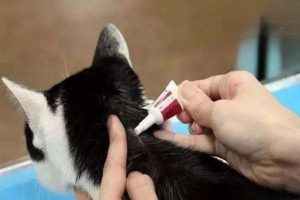
How to Tell If Your Cat Needs Deworming
Most internal parasites are invisible to the naked eye until an infestation is advanced, so routine deworming matters more than waiting for symptoms. Kittens need monthly protection and healthy adults every three months; a vet can confirm parasites from a stool sample under the microscope.

Why Does My Cat Have Something Clear in Its Eye?
A clear or cloudy film over a cat's eye is not normal and often points to glaucoma, cataracts or keratitis. Once an eye condition is confirmed, prompt veterinary treatment protects the cat's sight. Early exams and clean, careful home care make the difference.

Cat Has Had Yellow Nasal Discharge for Six Months
Persistent yellow nasal discharge in cats usually points to a chronic upper-respiratory infection such as feline viral rhinotracheitis, or less commonly pneumonia. When the symptom has lasted six months, the condition is well established and needs a proper veterinary work-up rather than guesswork. Supportive home care can ease discomfort, but lasting or recurring discharge warrants diagnostic testing.

What to Do When a Newly Bought Turtle Won’t Eat?
A new turtle refusing food is normal while it adjusts to its home, but it can also mean low temperature, deep water, or illness. Here are the common causes and how to coax it to eat.

Can Rabbit Mange Infect People — and How to Treat It
Rabbit mange rarely spreads to people if your skin is healthy and you wash and disinfect after contact, but those with weak immunity can catch it — wear gloves. Treat by isolating, clipping and cleaning lesions, wiping with 2% iodine, an Elizabethan collar, weekly miticide (trichlorfon) to kill hatched larvae, environmental spraying, and good nutrition.