Search Results
499 results for “cat eye health”

Why Does Your Cat Love Drinking from Your Cup?
A cat may prefer your cup for several reasons: it likes fresh, clean water and may snub a stale bowl; moving water catches its eye; and it may be mimicking you. Keep its bowl water fresh and clean, and in cold weather offer warm water, to encourage drinking — dehydration raises the risk of urinary stones.

How to Comfort a Cat After It Gets Scared
Move a scared cat to a quiet, enclosed space (a bedroom or carrier) with its familiar blanket and toys, close doors and curtains, and use a pheromone spray. After it settles, crouch about a meter away, offer a finger for it to sniff, then pet the forehead or chin. Keep the home calm for 24 hours. Watch for signs of true stress — not eating, vomiting, or straining to urinate — and see a vet if they appear.
Do Cats Cry?
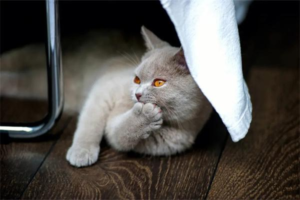
Cats do produce tears, but tearing is rarely from sadness—most often it's flat-face anatomy, eye disease, food, irritants, or smells. True emotional crying is rare. Wipe the eyes clean, rule out irritants or illness, and see a vet if tearing persists.

What Your Cat’s Sleeping Position Reveals About Its Mood
A cat's sleep pose is a window into how safe and relaxed it feels. A cat that flops belly-up is completely at ease, while one curled into a tight ball with its head on its paws is on alert. Giving your cat a quiet, comfortable spot to rest supports better sleep and lowers stress.

What’s the Difference Between Cat Food and Dog Food?
Cat and dog foods differ in ingredients, nutrition, texture, and purpose. Cat food is richer in animal protein and contains taurine, which dogs don't need; feeding a cat dog food long-term causes malnutrition, poor coat, and taurine-deficiency heart and eye damage. Always feed species-appropriate food.

Why Does My Cat Keep Meowing in the Early Morning?
Early-morning meowing is usually normal — cats are crepuscular hunters wired to be active at dawn and dusk, and they may simply be hungry, thirsty, or asking for the balcony. It can also become a learned habit if you always get up to feed or play when they cry. The fix is to ignore the crying until they quiet down, then reward calm behavior, and tire them out with play before bed.

Meet the Siamese Cat: A 3-Minute Guide
The Siamese is an ancient palace cat from 14th-century Thailand (then Siam), weighing 8–14 lb for males and 6–10 lb for females, with pointed colors like seal, blue, lilac, chocolate, red, and cream. Its signature trait is temperature-sensitive fur: tyrosinase works faster when cold, so winter deepens the coat and age darkens it. Siamese are dog-like — clingy, energetic, curious, and talkative — and adapt well, making them a good choice for first-time owners.

What Does It Mean When a Cat Stares at You?
A cat that stares may simply be curious, gathering information about your habits. If it brings a toy and stares, or jumps on your desk and paws your hand while you work, it likely wants play. But a fixed stare with dilated pupils, ears back, a tense body, and a flicking tail means it feels threatened and is on guard. Read the full body language — ears, tail, posture — and the situation to judge, then meet the need.
Cat and Dog Tear Stains: Understanding the Causes and Managing Them at Home
Tear stains are a common frustration for owners of flat-faced breeds and many other cats and dogs. They are rarely a single mystery illness; instead they usually trace back to blocked tear ducts, ear problems, allergies, or diet. The right fix depends entirely on the underlying cause. This guide walks through the main reasons pets develop reddish-brown staining, what each pattern looks like, and the at-home steps—gentle cleaning, ear checks, allergy control, and diet tweaks—that keep stains from returning. Knowing the cause is the first step to clearer, healthier eyes.
What Colors Can Cat Eyes Be?
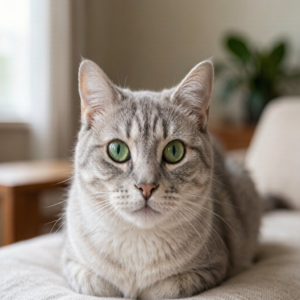
Cat eyes come in yellow, orange, green, gold, gray, and amber, with blue as a rarer shade. Color is set by genes through iris pigmentation and light refraction. The iris has two pigmented layers, the stroma and the epithelium, and the number of melanocytes decides the hue while their activity sets the depth; without melanocytes the eye looks blue. Green and gold are most common, blue is uncommon and often seen as elegant, and a kitten's eyes start blue before settling into their true color. Illness or injury can dull the shine later in life.