Search Results
88 results for “cat ears hot”
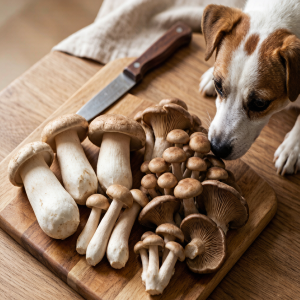
Can Dogs Eat Mushrooms?
This is a topic that demands attention: ordinary store-bought mushrooms are fine for your dog, but wild mushrooms carry a risk of toxicity to both people and dogs. Be especially careful not to let your dog eat wild mushrooms. This article covers safe preparation and the dangers of wild mushrooms.

Concentrated Salmon Oil for Dogs: What to Know
Salmon oil is a rich source of omega-3 that supports a dog's skin, coat, and joints. Choose a dark, well-sealed bottle, dose by weight, and avoid overfeeding to prevent loose stools.

Can a Dog with Distemper and Bloody Stool Survive?
Distemper with bloody stool is still treatable if caught early, and the clinic raises the odds sharply. The virus comes in gut, respiratory, skin, and nerve forms, with the nerve type hardest to beat, so speed and supportive care matter most.

What Are the Symptoms of Canine Distemper?
Distemper is a highly contagious, often fatal viral disease. It starts like a cold and worsens through coughing, thick discharge, bloody diarrhea, and finally neurological signs, so early isolation and veterinary care are critical.

What Are the Signs of Fever in a Dog?
A dog with a fever loses interest in food, turns quiet and withdrawn, and develops a dry, hot nose and ears. Catching these signals early lets you check the temperature and start cooling before the illness worsens.

Can Dogs Take Human Fever Medicine?
No, dogs should never be given human fever reducers; many common ones are toxic to them. Tell a fever by temperature, mood, appetite, and a dry hot nose, then cool the dog safely and let a vet choose the right canine medication.

Dog Fever: Symptoms and What to Do
Dog fever often follows a chill, heatstroke, postpartum low calcium, or viruses like distemper and parvo. Signs include a dry hot nose, fast breathing, and red eyes, and a temperature above 39.5C (103F) means it is time for a vet.

How to Treat Red Bumps on a Labrador
Red bumps on a Labrador usually come from mites, fungal infection, vitamin deficiency, or poor coat care — not random, and good hygiene prevents most. Treat the specific cause, feed a bland diet, keep the dog cool and the environment disinfected, and see a vet for widespread bumps.
- « Previous
- 1
- …
- 7
- 8
- 9