Search Results
88 results for “cat ears hot”
Is It Normal for a Cat’s Ears to Feel Hot?
A cat's normal body temperature runs a little higher than a human's, so ears that feel warm to the touch are usually normal. But ears hotter than usual can signal a problem—stress or anxiety, a respiratory infection, ear inflammation, or simply a warm room. To decide whether it's normal, look at the whole picture: lethargy, reduced activity, poor appetite, or red, smelly, discharging ears all call for a vet. A quick nose check and a thermometer (normal 38–39.5°C; above 40°C needs prompt care) will confirm a fever.

Why Your Cat’s Ears and Paws Feel Hot
A cat's normal body temperature runs higher than a human's, so warm ears and paws are often perfectly normal. True fever shows up when the whole body feels hot along with lethargy or appetite loss. Persistent or high fever needs veterinary care.

Do Hot Ears Mean Your Cat Has a Fever
Hot ears don't always mean fever. A cat's weak sweat glands make it heat up in a warm room, and thin ear skin warms fast, so offer water and shade first. True fever brings dullness, dry nose, and poor appetite, and a thermometer confirms it.
Why Is Your Cat Panting in the Car? Causes and What to Do
If your cat pants with its mouth open on a car ride, don’t ignore it. In most cases—around 80%—it’s fear: indoor cats suddenly confined in a small, noisy, vibrating space experience a spike in adrenaline that speeds up heart and breathing, and open-mouth breathing is how they meet the higher oxygen demand. But panting can also signal heatstroke, carsickness, or an underlying heart or respiratory condition. This article explains the main causes, how to tell them apart, and a graded response—from calming a mildly stressed cat to urgent steps if the tongue turns blue—so travel becomes less frightening for everyone.
Cat Won’t Drink in Summer? 8 Tips to Get It Drinking on Its Own
A healthy adult cat needs about 50-60 ml of water per kg of body weight each day, but dry kibble is only around 5-10% moisture, so summer drinking matters even more. Cats sweat only through their paw pads and ears and cool poorly, so low intake risks heat stress. Practical fixes: use a shallow ceramic or glass bowl (deep bowls annoy whiskers), offer a filtered running-water fountain, keep bowls over 1.5 m from the litter box and place several around the home, rehydrate freeze-dried food, serve wet food in the evening, and offer unsalted broth a few times a week. Senior, obese, and chronically ill cats need closer monitoring for dehydration.

100 Essential Tips Every New Cat Owner Should Know
Bringing home a first kitten is exciting but daunting, and poor care can hurt both of you. These 100 essentials cover diet (life-stage food, toxic grapes/chocolate/onion/garlic, no bones or raw meat, fresh water), daily care (brushing, nail and ear cleaning, litter hygiene, n+1 boxes), health (vaccines at 8–12 weeks, deworming, normal temperature 38–39.2°C, spay/neuter, no human meds), behavior (slow blinks, tail talk, no punishment), and home safety (screens, hiding wires, toxic plants, no smoke). Read them once and you'll share a calmer, healthier life with your cat.
Causes and Treatment of Abdominal Breathing in Cats
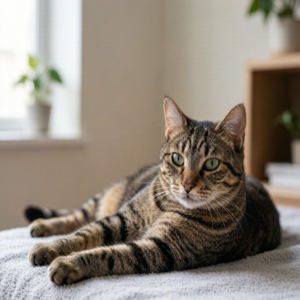
Abdominal breathing in cats is often a symptom of an underlying disease—pleural effusion, a congenital diaphragmatic hernia, or feline infectious peritonitis (FIP) among them—so it always warrants attention and a prompt trip to the vet. A healthy cat breathes 20–40 times per minute; obvious difficulty, rapid or shallow breaths mean seek care immediately. Beyond treating the root cause, prevention matters most: keep up with vaccinations, schedule regular check-ups, and maintain a clean, well-ventilated, smoke-free environment to protect your cat's respiratory health.
Why Are Cats Raised by Elderly Owners So Calm and Obedient?
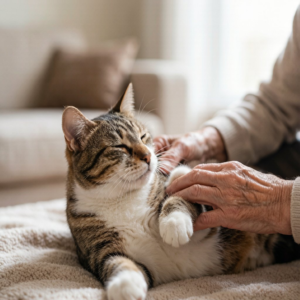
Cats kept by elderly owners often seem gentler and more obedient than the lively pets raised by younger people, and the reason is rooted in pet behavior science. Cats love calm, predictable routines, and an older person's slow, regular daily rhythm gives them a sense of safety that lowers their guard. Seniors also provide the 'effective companionship' cats value most—short, low-intensity interactions like petting and soft talk scattered through the day—rather than infrequent marathon play sessions. On top of that, elderly owners tend to be gentle yet consistent: they neither shout nor overindulge, setting clear rules while offering unconditional acceptance. This calm, secure environment lets a cat relax and show its sweetest side.
What to Do When Your Cat Has a Fever
Cats get fevers just like people, but a cat's fever is rarely simple - it can signal parasites, stress, bacterial infection, panleukopenia (feline distemper), feline herpesvirus, or various inflammations. A fever is not a small matter: left alone it can damage organs and even turn deadly. Telltale signs include hot ears and tail tip, a dry nose, sweaty paw pads, and a cat that suddenly prefers cool floors and dark corners while eating less and looking limp. Normal cat temperature runs 38-39C (about 39.3C in kittens); above 39.5C is a fever and above 40C is high. For a mild fever or when a clinic is out of reach, cool the paws and belly with alcohol and offer water, but never give human fever medicine, which can be fatal - see a vet for high fevers.
Can an Unvaccinated Cat Pass Disease to People?
The 'FVRCP' (cat triple) is a common name, not a product - it bundles herpes (cat flu), calicivirus and panleukopenia into one shot; each dose contains all three to build antibodies through repeated shots. None of those three pass to humans; the famous human fatal cat-borne disease is rabies, given separately at the end. Kittens start at 8 weeks, then every 21 days for three shots; indoors-only cats may boost every three years, high-risk ones yearly; rescued strays get an antibody test first. Do not vaccinate under 8 weeks, pregnant cats (use killed only), with worming that confuses gut reactions, or when unwell - and always keep one brand and skip baths.