Search Results
100 results for “cat ear mites”

Why Is My Dog’s Eye Turning White?
A white or cloudy eye usually means keratitis, cataract (sometimes from diabetes), or normal lens hardening in older dogs. Keep the eye clean, avoid harsh light, and have a vet rule out serious causes — mites or advanced cataracts need professional care.

Does a Kitten Need Deworming?
Kittens do need deworming, but wait until about 2.5–3 months old unless a vet advises earlier. Parasites pass through the mother, food, and contact, so a post-weaning kitten exploring the world is at real risk. Use a broad-spectrum product and keep up monthly external protection.

Hard Lumps on a Teddy Poodle’s Skin
A hard lump on a Teddy can come from mites, lice, fungus, mosquito bites, allergy, or eczema, and the right fix depends on the cause. A vet skin scrape under the microscope gives a certain diagnosis, so avoid guessing with medication.

How to Treat Skin Disease in a Puppy
Skin disease is common in undernourished or frail dogs, and hits puppies and weak individuals hardest. The main culprit is the fungus Microsporum canis, which survives for months — even years — on surfaces. Signs range from mite-driven red spots to visible fleas, and treatment means shaving, topical medication, environmental disinfection, and an Elizabethan collar.

How to Treat Fungal Skin Infection in a Puppy
Fungal skin infection in puppies is common, slow to clear, and easy to confuse with other conditions — poor nutrition, a dirty environment, or careless grooming all raise the risk. Signs include circular hair loss, scaly patches, pimples, and relentless scratching. Treat with medicated baths, an antifungal spray, and a repair ointment, while boosting nutrition and keeping the environment clean.

How to Treat Red Bumps on a Labrador
Red bumps on a Labrador usually come from mites, fungal infection, vitamin deficiency, or poor coat care — not random, and good hygiene prevents most. Treat the specific cause, feed a bland diet, keep the dog cool and the environment disinfected, and see a vet for widespread bumps.

How to Treat Mite Skin Disease in Dogs
Mite skin disease keeps coming back because the mites live in the environment as much as on the dog. Treatment means medicating the affected spots, deep-cleaning the home, and boosting the dog's immunity—prevention through diet, parasite control, and limited contact with strays is what stops recurrence.

Why Your Dog Has Black Patches on Its Belly
Black patches on a dog's belly can be harmless skin thickening from fleas, or a sign of fungal, bacterial, or mite infection. They should not be ignored—working out the cause is the only way to treat it, and good flea control prevents most cases.

What to Do When a Dog Keeps Sneezing
A dog that sneezes non-stop is usually reacting to an irritated nose — strong smells, allergies, or a chill — and only rarely a viral disease. Matching the trigger to the fix settles most cases quickly, with a vet visit reserved for fever and lethargy.
What to Use for a Puppy With a Mite Infection
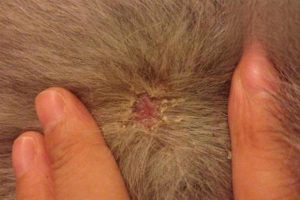
Mites are among the most common causes of dog skin problems, and they spread easily through dirty surroundings or play with other dogs. Treatment combines environmental disinfection, the right topical or ear medication, and immune support — with a vet visit for anything severe.
- « Previous
- 1
- …
- 8
- 9
- 10