Search Results
100 results for “cat ear mites”
Cat Ear Mites vs Ear Wax: How to Tell and Treat
Ear mites and ear wax are different problems that look alike, so owners often mix them up and delay treatment. Ear mites are a parasitic infection causing intense itching, black or coffee-colored debris, and inner-ear inflammation. Normal ear wax is pale yellow or brown, scant, and does not itch. If mites are present, clean the ears with a flushing solution, apply a miticide, and treat the cat for external parasites. Use an Elizabethan collar during care, and isolate in multi-cat homes because mites spread easily.
Best Parasite Treatments for Cat Ear Mites
Cat ear mites are a common parasite that causes intense itching and dark, waxy debris; left untreated they can lead to secondary bacterial infection, otitis media or interna, and hearing loss, while constant head-shaking and scratching risk ear hematomas. The key treatment is a parasiticide—but not every product kills ear mites, so checking the label’s spectrum matters. In general, spot-ons containing imidacloprid-moxidectin or selamectin work well at home, also covering scabies, demodex, fleas, lice, roundworms, hookworms, and preventing heartworm, with a gentle, stable profile. A typical plan is one dose every 21–28 days for three rounds to stop recurrence. Early on, a cleaner or miticide with compound nystatin helps soothe and disinfect the ear.
Treating Cat Ear Mites: Cleansers, Medicine, and the Full Protocol
When a cat scratches its ears and shakes its head with dark waxy discharge, ear mites are the likely cause. A cleanser alone only removes debris—it does not kill the mites. Real recovery needs cleaning plus a miticide and a deworming spot-on, done in three rounds. Here is the full, safe protocol and what to look for in an ear cleanser.
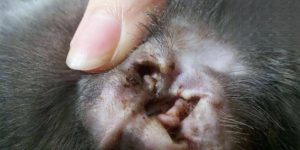
Cat Ear Mites: Symptoms and Care
Ear mites spread easily between cats through contact and cause intense itching and dark ear discharge. Clean the ear first, then apply a vet-recommended topical treatment — and see the vet if pain or balance loss appears.
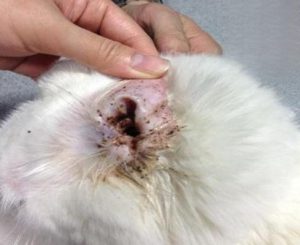
Cat Ear Mites
Ear mites are a common cat skin problem, often triggered by environment or outside factors. They leave greasy, smelly, itchy debris in the ear that needs prompt cleaning and treatment. Regular ear and bedding hygiene keeps them from coming back.
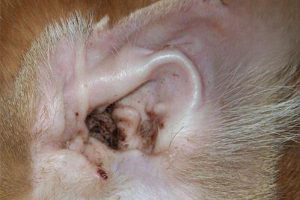
What Are Cat Ear Mites?
Ear mites are parasites on the outer ear canal that cause dark, waxy debris and can lead to infection reaching the middle ear or even the brain. Isolate the cat, clean daily with an ear solution, and follow a simple 4-step cleaning routine to clear a mild case in 1–2 weeks.
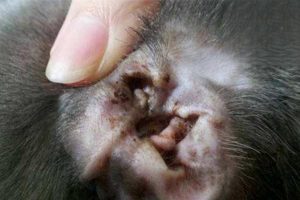
How to Clear Cat Ear Mites Quickly
Ear mites spread cat-to-cat and thrive in unclean, damp ears. Clear them with daily ear cleaning plus a topical dewormer, support the cat's nutrition, and disinfect the home. Consistency — not one-off treatment — is what works.

Ear Mites in Cats and Dogs: Symptoms and Treatment
Ear mites are a common ear parasite in cats and dogs that trigger allergy and can lead to secondary infection. Itching, head-shaking, and dark debris are the classic signs — and a 2-3 week cleaning plus medication plan clears most cases.
Why Do Cats Get Ear Mites?
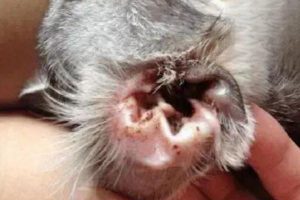
Ear mites take hold when ears aren't cleaned and oil and bacteria build up, or when bath water is left damp; they also spread from dogs. Signs are inflamed, crusted canals with brown debris and head shaking. Clean daily, deworm regularly, and disinfect the home.

Symptoms of Ear Mites in Cats
Ear mites cause relentless ear scratching, head shaking, and dark brown debris in the canal; untreated they invite bacterial infection and otitis. Clean the ears daily with a pet ear solution, deworm regularly, and keep the environment disinfected.