Search Results
71 results for “cat dryer”

What Daily Supplies Does Your Cat Need?
Beyond bowls, fountain, litter box, and bed, a few supplies make care easier. For claws: a cat-specific nail clipper (elliptical claws split under human clippers; a safety-guard or LED model helps avoid the quick) and a scratching post. For coat: a deshedding comb and a pin brush for massage. For baths: a bathing bag if needed, cat shampoo (not human—cat shampoo is cheap and has anti-parasite formulas), and a pet drying box to avoid loud dryers. Add a pet toothbrush or finger brush, ear cleaner, and paw-foam for routine care.

Helping Your Cat Enjoy Bath Time
Cats don't strictly need baths, but a clingy, bed-sharing cat benefits from routine washing for hygiene. Avoid bathing kittens under 3 months, within a week of vaccines or travel/moves, or in cold weather. Prep by trimming nails a day ahead and using cat shampoo (not human—licking it can poison). Wash in a secure bathroom, wet and lather, rinse with a gentle warm spray avoiding eyes/ears, towel-dry, then use a low, quiet dryer. Build tolerance slowly: let the cat explore an empty tub with treats, then shallow water, and it may even ask for summer cool-down baths.

How to Help Your Cat Learn to Tolerate Baths
To get a cat to accept baths, first understand why most cats hate water: they carry a water-aversion trait from ancestors that evolved in dry environments. A few breeds (Maine Coon, Turkish Van, Turkish Angora) are exceptions and may even enjoy water. You can acclimatize a cat by starting young, going slowly, and keeping it low-stress: play first to relax, use a container or the gentlest shower setting (most cats fear the spray noise), let the paws touch water first, protect the ears and eyes with cotton balls, dry quickly with a towel, and ramp the dryer from low to high. Never use your hands as toys, and consider a cat-washing bag if you fear scratches.

Cat Stress: Signs and What to Do
Basic knowledge about stress reactions in cats.
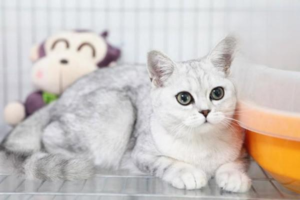
Sudden Stress Response in Cats
It is often said that a cat's stress response can cause very serious consequences. Today we talk about the cat's stress response. It is said that cats are like women, which is because cats are emotionally very sensitive creatures; various environmental changes, even some noise, may trigger a cat's stress response.
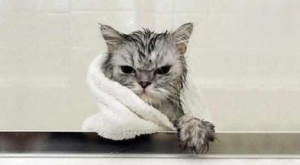
What Happens When a Cat’s Fur Gets Wet?
A cat's coat is its thermostat, sensor, and shield. Once soaked, the cat loses warmth, faces skin infections, and can no longer read its surroundings through whiskers and sensitive hairs — which is why cats dread water.

How to Prevent Your Cat from Catching a Cold
Cat colds are preventable, but most owners miss the small things — drying the coat after baths, limiting contact with sick cats, and washing up after being out. Stay on top of these and you cut both colds and other viral illnesses.

What Happens If You Don’t Dry Your Dog After a Bath
Skipping the dryer after a bath lets moisture sit on the coat, which oxidizes light fur into yellow or red stains and lets fungus thrive in the dampness, causing skin infections. In winter it invites chills and dangerous colds — especially for puppies and seniors — so always blow-dry thoroughly, and wait until vaccines are done for new pups.

Can You Bathe a Schnauzer Puppy?
Yes, you can bathe a Schnauzer puppy — but not while it is sick or during its first week in a new home. Bathe in a warm room during the day, dry it quickly, and blow the back and belly completely dry first to prevent chills and skin trouble; a pin brush used while drying keeps the coat healthy.

Pekingese Lifespan and Care
The Pekingese lives a long life — typically 14–15 years and sometimes up to 20, with a recorded record of 34. Keep yours healthy with a light, nutrient-supplemented diet, regular gentle grooming and bathing, and a cool, calm environment away from heat and humidity.