Search Results
3968 results for “cat dog”
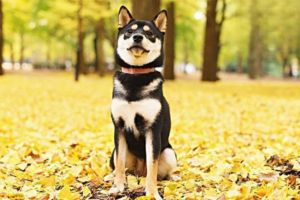
Why Do a Dog’s Eyes Turn Blue?
A dog's eyes turn blue due to infectious hepatitis, and timely treatment is needed. When puppies have hepatitis, a blue membrane forms over the eyes; this disease is called blue eye disease. Canine infectious hepatitis is an acute infectious disease caused by canine adenovirus.

What to Do About a Dog’s Fracture
In daily life we often see dogs with abnormal behavior-limping, lying still, or crying in pain-which may be signs of a fracture. If your dog unfortunately breaks a bone, what should you do?

Why Is There a Lot of Blood in a Dog’s Stool?
When you find your dog passing blood, you can be sure your dog is sick. If the dog has other lesions besides the blood, combined with the corresponding symptoms, you can quickly grasp the dog's condition and treat it symptomatically in time. What causes a dog to pass a lot of blood? Many diseases in daily life can cause this problem.

Symptoms and Causes of Cat Poisoning
Curiosity really can kill the cat. Cats always like to explore their surroundings, using their natural instincts to explore and hone hunting skills. Unfortunately, a cat's curiosity can easily get it into trouble, and a slight misstep may lead to poisoning.

Signs of Diabetes in Dogs
Diabetes is a chronic disease and a common endocrine disorder; prevention and early detection are very important. To detect it early at home, owners need to pay closer attention to the dog's condition. The most typical symptoms of diabetes are excessive drinking and urination, messy coat, and lethargy. When a dog's water intake and urination are found to increase suddenly for no reason, owners should be careful.

What to Do When a Dog Has Urethral Discharge (Pus)
Canine urethral abscess results from urethral inflammation in dogs and requires prompt medication. Bacterial infection of the dog's urethral mucosa is also called a urinary tract infection, medically known as urethritis. Main symptoms include painful urination, urethral swelling, sensitivity of the urethral opening, redness and swelling of the urethral orifice, and difficulty inserting a catheter, more commonly seen in dogs.

What Symptoms Does a Dog with Arthritis Show?
As dogs age, their joints are prone to problems, which is hard to avoid. After developing arthritis, a dog may walk unsteadily and tremble, suffer severe pain, and undergo dramatic mood changes caused by joint problems, distressing the owner. How can you relieve a dog's arthritis symptoms? Read on to find out.

Why Does Your Dog Crawl Under the Sofa?
To us a dog seems thick-skinned - scolded one second, your 'good boy' the next. But a dog's inner world is rich. Let's read it through this common behavior.

What Is Dog Folliculitis?
Folliculitis means inflamed hair follicles. Professionally, bacteria infect the follicle and the body inflames the spot to self-repair. Mild cases go unnoticed; most are a tug-of-war needing meds.

What to Do If Your Dog Eats a Cockroach
If a global nuclear war wiped out all life in the blast zone - humans, even fish - only cockroaches would carry on. So today we learn what to do if your dog eats one.