Search Results
3959 results for “cat dog”

How Long Can a Dog Survive Heartworm
How long a heartworm-infected dog lives depends on infection site and severity, the dog's age and health, and how effective treatment is. Mild cases often recover with medication, while moderate to severe ones may need risky surgery. With proper treatment a dog can live for years; without it, death may come in weeks to months. Seek a vet promptly for diagnosis and care.

Is an Occasional Dog Cough a Sign of Heartworm
An occasional cough is not automatically heartworm. Coughing has many causes: respiratory infection, parasites, heart disease, allergies, or excitement, and temporary irritation from smoke, dust, or pollen that eases once the trigger is gone. Heartworm does commonly cause coughing, but also brings labored breathing, weight loss, and odd heartbeat. If those appear with the cough, see a vet promptly for diagnosis and care.
What are the symptoms of roundworm (ascarid) infection in dogs?
Roundworm infection in dogs shows as malnutrition, weight loss, pale mucous membranes, a rough dull coat, reduced appetite, vomiting or passing worms, and worm-laden diarrhea; severe cases add lethargy, digestive upset, and acute abdominal pain. Mild cases need deworming (e.g., albendazole); moderate cases also need nutrition and easily digested food; severe cases with neurological signs require a vet.

How to Choose a Reliable, Budget-Friendly Dog Dewormer
Owners often swing between over-priced imports and risky unlicensed bargains—both can harm the dog. Deworming is non-negotiable: internal worms steal nutrition and damage the gut, while heartworm stays silent until it is serious, and external pests spread disease to people too. This guide explains why deworming matters, the active ingredients by parasite type (including the Collie warning on ivermectin), and how to choose and use a product safely—spectrum, convenience, credentials, correct dosing, and the myths that lead owners astray.
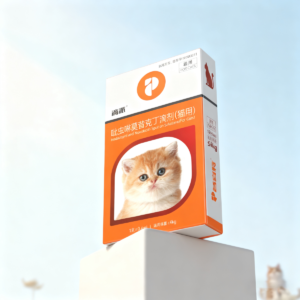
Cat Deworming: A Beginner’s Guide
Choosing a cat dewormer confuses many new owners, and a wrong pick can fail to work or even cause allergy, gut irritation, or liver damage. The good news is that careful, budget-friendly choices are possible. This guide explains why indoor cats still need deworming, how a combined internal-and-external spot-on (imidacloprid plus moxidectin) works, the correct application steps, and the three myths to avoid—including that dog products can be toxic to cats. Regular, correct deworming protects both cat and family.

CoQ10 for Dogs: Is It Worth the Hype?
CoQ10, or ubiquinone, is a fat-soluble compound that powers the heart and other high-demand organs through mitochondrial energy metabolism. Far from a gimmick, veterinary studies show it can improve heart function in dogs with mitral valve disease and congestive heart failure. This guide explains what CoQ10 does, why it is not a scam, which dogs benefit most, and how to supplement safely—including the drugs it must not be mixed with. It supports care but never replaces prescription heart medication.

How to Choose a Dewormer for Dogs
Most dogs meet parasites at least once, and fleas, roundworms, and heartworm are among the most common. Deworming is not a gimmick, yet three myths—indoor dogs are safe, price equals quality, one dose lasts half a year—lead owners astray. This guide covers the three standards for choosing (spectrum, safety, value), the Collie caution with ivermectin-class drugs, and a sensible schedule: monthly external and combined coverage, internal every three months for adults, and vet-guided care for puppies, pregnant, or sick dogs. Low price need not mean low efficacy.

Dog Panting After a Few Steps? Don’t Ignore Heart Trouble
A dog that pants heavily or struggles to breathe after only a short walk may be signaling heart disease rather than mere old age or extra weight. Key warning signs include a sudden drop in stamina, labored breathing at rest, blue-tinged gums, nighttime coughing, and lethargy. Early veterinary diagnosis and daily heart-care management can dramatically slow progression and extend your dog's life.

Perianal Adenomas in Dogs
Perianal adenomas are modified sebaceous tumors that occur almost only in dogs, more often around the anus of male dogs. They are usually multiple, raised, and benign, though females can show malignant forms. Surgery or freezing removes them, and castration helps.

Skin Disease in Collies and Other Herding Breeds: Why Medication Must Be Chosen Carefully
Collies and related herding breeds often carry an MDR1 gene mutation that prevents normal drug clearance, making them dangerously sensitive to certain parasiticides such as ivermectin. Skin problems are treated as in any dog, but parasite control and other medications must be chosen with a veterinarian to avoid toxicity.