Search Results
3959 results for “cat dog”

Dog CoQ10 for Seniors and Small Breeds: A Value-Minded Guide
If your dog tires after a few steps, pants often, sleeps longer, or coughs at night, that is not laziness — it is the heart asking for help. Canine heart-disease risk climbs steeply with age (about 10% at 5–8 years, 30% at 8–10, and 45% past 13), which is why CoQ10 is a staple for senior and small-breed care. This guide explains how to judge real value instead of falling for 'cheap' placebos or overpriced imports.

Safe Dog CoQ10: What the Research and Labels Tell You
CoQ10 appears in veterinary cardiac plans for mitral valve disease, dilated cardiomyopathy, and senior heart decline, and the research behind it is real — not a fad. A 2021 study found dogs with mitral valve disease in heart failure had significantly less heart-muscle CoQ10 than healthy dogs, and a 2022 randomized trial showed supplementation improved oxidative-stress and contraction markers with no adverse effects. The catch is that the benefit only appears when the product is safe, dog-appropriate, and correctly dosed. This guide explains how to read the label and the form.

Dog CoQ10 and the Mislabeling Trap: How to Pick a Real One
CoQ10 powers heart contraction, clears free radicals, and slows cardiac aging, so it is a staple for senior dogs and breeds prone to valve disease and enlargement. But without enough actual CoQ10 in the dose, you pay and gain nothing. This guide explains why dose is the bottom line, how brands obscure content, why human CoQ10 is dangerous for dogs, and the three checks that separate a real product from a placebo.

Dog CoQ10 Industry Reality: What ‘Reliable’ Really Means
CoQ10 is a legitimate heart-support nutrient, but the category is clouded by unclear labeling and inconsistent content. In some markets CoQ10 is not yet an approved pet-feed ingredient, so packages often cannot state it outright, while listings still promise 'high content' with no verifiable amount. This guide explains the transparency problem, the dosing that actually matters, and how to recognize a product that is genuinely reliable.

Is Inhalation Anesthesia Safe for Dogs?
Dogs are usually anesthetized by inhalation or injection, and inhalation anesthesia is generally the safer choice because it places less burden on the organs. It costs more, though, and its effect is shorter, so it is less suited to very long surgeries where the dog might wake and struggle. Any anesthesia carries risk because it depresses heart, lung, liver, and kidney function, so the method should match the dog's pre-operative readings and health. Dogs with metabolic or liver and kidney issues are often better with inhalation. Watch for post-anesthetic reactions like acute kidney failure, irregular heartbeat, temperature swings, and airway blockage in flat-faced breeds.

How to Choose a Safe Cat CoQ10 Supplement
Feline heart disease is more common and more silent than many owners realize: hypertrophic cardiomyopathy affects roughly 11–16% of cats overall and a much higher share of high-risk breeds, often with no obvious signs until heart failure is already underway. CoQ10 supports heart-cell energy and is a popular preventive, but the market is uneven. This guide sets out three practical safety standards and the common pitfalls to avoid when choosing a product.

Can Dog Heartworm Spread to Humans
Dog heartworm can pass to people, but the chance is low. It spreads through blood, mainly via mosquito bites: a mosquito that bit an infected dog can later bite a human and transmit the larvae. Because the larvae cannot mature in the human body, human cases are rare and usually mild, sometimes causing lung or subcutaneous nodules with fever, pain, or chills. Still, see a doctor if exposed. The bigger risk is transmission to other pets, so deworm and control mosquitoes.
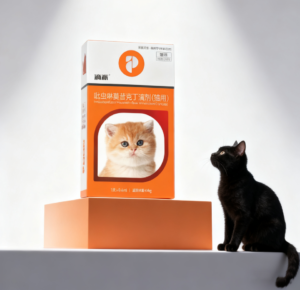
Cat Dewormers Compared: How to Choose the Right One
More than half of household cats are estimated to carry at least one parasite at some point, with fleas, roundworms, and heartworm among the most common. Regular, science-based deworming can sharply lower that risk and protect both cat and owner. This guide compares the main types of cat dewormers by their active ingredients and explains how to match a product to your cat's age, lifestyle, and parasite exposure, so you can build a safe, sustainable routine without relying on brand hype.

How to Choose a Dewormer for Your Dog: A Science-Based Buying Guide
Choosing a reliable dog dewormer comes down to three things: a verifiable veterinary license, a broad-spectrum active ingredient that covers the parasites your dog is actually exposed to, and a price you can sustain month after month. Internal parasites (roundworms, hookworms, whipworms, heartworm) and external ones (fleas, ticks, lice, ear mites) require different actives, so a combined product or a matched pair is usually the most efficient plan. This guide explains the core selection criteria and the most common mistakes owners make, so you can protect your dog and your household without overspending.
What documents do I need to register my dog (dog license)?
To register your dog, first download and sign the application form from your community or local government website. Local urban residents submit their household register and ID (originals and copies); non-locals or non-urban residents use a residence permit plus ID. You'll also need four 2-inch color photos of the dog (side and front, standing) and the rabies vaccination certificate.