Search Results
3959 results for “cat dog”

The Dangers of a Dog Holding Its Urine
Many owners know holding urine is harmful but aren't sure what counts as 'holding it.' Veterinary medicine offers two views: one links urination frequency to breed, sex, size, and health; the other says it depends entirely on the individual—diet, activity, water, and age. Either way, puppies urinate more than adults. Cesar Millan notes a healthy dog makes 10–20 ml of urine per kg of body weight daily and an adult needs to urinate at least 3–5 times outdoors daily; puppies need more. Trained dogs learn to hold, but don't assume that's fine—frequent holders are more prone to UTIs and urinary disease. Long holding lets stored urine contact the tract, causing infection and even stones; one study links a urinary carcinogen contacting tract cells for long periods to higher risk of some urinary cancers. No proven upper limit, but experts advise not exceeding 8 hours. Resulting diseases include UTIs (common in females), bladder stones (can block the urethra—emergency), aggressive bladder cancer, kidney failure, incontinence (spayed females), and prostate disease (males; blood in urine).

What to Consider Before Bringing Home a Cat
Before you adopt, pass a few gates. Partner gate: everyone at home must accept a cat for the long haul, including future spouses and kids. Housing gate: enough space plus real safety—mesh screens on windows and balconies. Money gate: ~150 yuan/month basics and the ability to pay vet bills. Body gate: test yourself for cat allergy. Time gate: feeding, scooping, grooming, and a clingy cat that sits on your keyboard. And the other-pet gate: introduce newcomers slowly across territories.
Why Dogs Get Puffed-Up Fur (Raised Hackles)
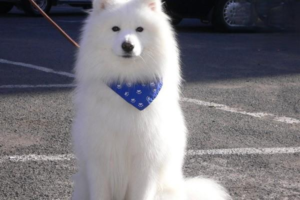
When a dog is angry, scared, or thrilled, the fur along its back may stand up—a reaction called piloerection, or 'raised hackles.' The fur around the neck is special: it has a strong self-restoring ability, so even after a long episode, it returns to normal once the dog calms; other body areas lack this. Some breeds show it more, some less, and the extent varies—neck only, neck-to-rump, or tail. A special muscle attached to the follicles pumps air between hairs to create the effect, and it is involuntary, part of instinct. The purpose is to look bigger, like cats, porcupines, and pufferfish. You can even read a dog's mindset from the pattern: a narrow band from neck to tail means confidence (and a higher chance of initiating attack); three-quarters of the neck raised means insecurity; neck and tail raised but the middle calm means confusion—the best moment to build trust.
Why Does My Dog Urinate in the House?
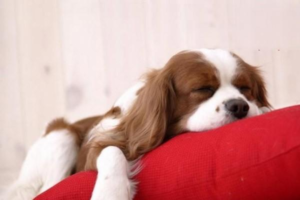
When a normally clean adult dog urinates indoors while you are out, scolding and punishment aren't the only responses to consider—why is your adult dog doing this? Puppies peeing inside is just the cost of dog ownership, so we focus on adults. Occasional accidents are normal ('nature calls'), but frequent, repeated indoor urination deserves attention, because it brings urine odor and possibly other problems. Medical causes: urinary disease (often a UTI causing random urination, usually treatable with medication); incontinence (dribbling or peeing while sleeping points to incontinence, treatable early with medication; large-area urination suggests something worse—see a vet); senior dogs (canine cognitive dysfunction makes them forget where they are, causing accidents). If your dog is healthy and not old, the cause is behavioral: intact males may mark after sexual maturity—normal—but a dog that never peed inside suddenly doing so may be stressed by household changes (a new member, a departure, new smelly or noisy objects). To change it: don't yell—catching the act in the moment matters, not the old puddle; remove or relocate the trigger; and clean thoroughly with an enzymatic cleaner that fully removes the odor so the dog doesn't remark the spot.
Preventing Autumn Diarrhea in Dogs
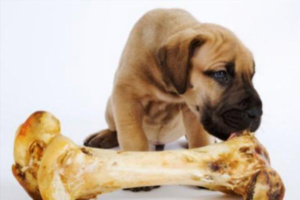
Dogs can get diarrhea in any season, usually from poor feeding habits or a habit of chewing whatever they find. Frequent bouts leave the gut fragile and hold back healthy growth, so prevention matters most when the weather turns. In autumn, sharp day-and-night temperature swings, a seasonal rise in infectious disease, and faster food spoilage all raise the risk. A warm sleeping spot, up-to-date vaccinations, and fresh, properly handled food are the three habits that keep a dog's stomach settled through the change of season.

The Secret in Your Dog’s Whiskers
We feel the world with our hands; dogs feel it through smell. But like us, they use more than one sense—and another is their whiskers. The thick hairs on a dog's muzzle, chin, and cheeks are vital: set deeper in the skin, they help the dog read the environment. Like human fingers, whiskers are highly sensitive; their follicles are packed with nerves and blood vessels, giving touch feedback straight to the brain faster than other routes. Studies show half the sensory region of a dog's brain connects directly to its whiskers. Whiskers also sense tiny air currents and vibrations—key to a dog's night vision. Some breeds use them like cats to judge if they fit through tight spaces, and in fights both dogs reflexively flick whiskers forward to threaten. Cutting whiskers does not impair spatial balance (despite the myth), but it does hurt—the follicles are full of nerves—so never cut them for looks.
Why Do Dogs Hate Delivery Couriers?
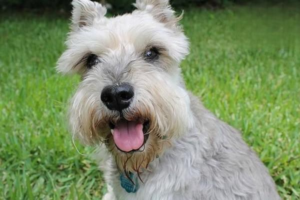
Many dog owners know the scene: whenever a delivery or takeout courier knocks, the family dog turns aggressive and may even attack the innocent visitor. Why does a knock at the door trigger such a loud, fierce reaction? The answer lies in a dog's territorial instinct. Before domestication, dogs strictly defended their territory, warning intruders by barking, then growling, then attacking. Early humans valued dogs precisely as living alarms. Today that instinct remains: when the courier knocks, the dog defends; when the courier leaves, the dog thinks it won. Next time the courier returns, the dog believes its earlier warning was too weak and escalates from bark to growl—and a perceived challenge can turn into a bite. To change this, reward calm behavior at the door with treats, teaching the dog that staying quiet near strangers earns a reward.

How to Potty Train a French Bulldog
Potty training a French Bulldog starts by limiting freedom with a crate or pen and picking one fixed toilet spot, such as a bathroom corner or a quiet area. Lay down pee pads, let your Frenchie out on a schedule, and reward immediately when it goes on the pad — praise and a treat teach it that the pad means good things. A small pen enclosing just the pad narrows the choice at first, then expands as the habit forms, and comes away once training sticks. Consistency and timing are what make it work.

Why Cats Pee on the Bed and How to Stop It
Bed-peeing falls into three types: normal inappropriate elimination, stress peeing (literally scared into it), and urine marking (spraying). You can tell them apart by the stain—round with digging for normal, a few drops with no digging for stress, and a vertical streak with raised hips for marking. Clean with enzymes to remove the scent pheromone that invites re-marking, spray deterrent, then fix the root cause: litter training, reducing fear through socialization, and easing the anxious, rejected cat.

3 Places to Search When Your Dog Goes Missing
If your dog goes missing, act fast: print a poster that includes the line 'a reward is offered for safe return'—thieves rarely dare demand ransom openly and risk police trouble, so this works. First, check the local flower-bird-fish-insect market, the top spot for trading suspicious dogs. Second, if your dog is a popular breed, visit nearby dog markets within 24 hours and post notices, since sellers avoid the public markets. Third, review surveillance footage: go to the police station (bring a calm companion, stay polite—officers are busy but will help), and ask neighboring shops for their cameras. If all else fails, mobilize WeChat and Weibo, and remember most lost dogs are resold rather than ending up as meat, usually through backyard breeders rather than reputable kennels.