Search Results
3959 results for “cat dog”

Understanding Hypothyroidism in Cats
Feline hypothyroidism means the thyroid gland in the neck does not make enough hormone, slowing the whole body's metabolism. Signs include low energy, poor cold tolerance, slow wound healing, fragile skin, hair loss, weight gain, high blood fat, and anemia. It is an autoimmune disease, hard to prevent, and usually lifelong, managed with daily thyroid hormone pills. It is very rare in cats but common in dogs, and often appears with age.

What to Do If Your Cat Eats Onions
Onions, scallions, garlic, and chives contain sulfides that can destroy a cat's red blood cells and cause dangerous anemia. Even onion soup or curry can poison them, and a cat needs only about 5 g per kg of body weight. Early signs are vomiting, diarrhea, and lethargy; anemia shows up days later. Rush to a vet for induced vomiting, stomach lavage, adsorbents, fluids, and forced diuresis. Never try salt-induced vomiting at home, it can be fatal.
Why Do Cats’ Eyes Glow in the Dark?
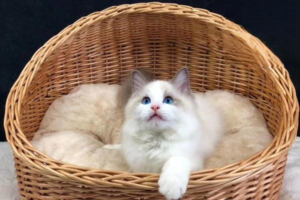
The ancient Egyptians believed cats trapped the setting sun's light in their eyes until morning; the Greeks thought a flame flickered inside. The real reason is a layer called the tapetum lucidum behind the retina. It reflects light back through the retina, giving the light-sensitive cells a second chance to catch it, which is why cats see far better than us in dim light. The glow is usually green or yellow, and many other animals share this trick.

What Is Pancreatitis in Cats?
Pancreatitis is inflammation of the pancreas, the organ that makes digestive enzymes and insulin. When those enzymes activate in the wrong place, they digest the surrounding tissue and cause serious illness. Cats may show poor appetite, lethargy, diarrhea, vomiting, and belly pain. The disease can be life-threatening, especially in older or weak pets, and may become chronic or trigger diabetes. Treatment centers on fluids, antibiotics, and anti-vomiting care, often in hospital.
What Is Uveitis in Cats?
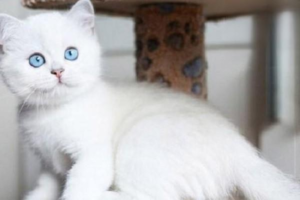
Uveitis is inflammation of the uvea, the middle layer of the eye, and it can be painful and watery for the cat. Most cases are not from a clear single cause; some stem from eye problems, others from disease elsewhere in the body. Because uveitis can lead to glaucoma and even blindness, it should never be ignored. A slit-lamp and eye-pressure exam confirm it, and treatment usually means anti-inflammatory eye drops. If no underlying illness is found, the outlook is good.

Why Does Your Dog Stare at You?
A dog's steady gaze isn't just a stare; it communicates. Your dog may be hoping for a fallen bite, seeking attention, waiting for a command, expressing love, asking for protection, or reading your mood. But a hard stare with tense muscles and a low growl is a warning to look away and back off slowly.

What Is Diabetes in Cats?
Feline diabetes develops when a cat's body makes too little insulin or responds poorly to it. Without enough insulin, excess sugar spills into the urine and cells starve, sometimes producing toxic ketones. Signs include ravenous appetite with weight loss, dull coat, excessive drinking and urination, and sweet-smelling urine. Diagnosis uses blood and urine tests, while treatment centers on insulin injections, lifelong in most cases. With careful monitoring, diabetic cats can live comfortably for years.

What to Do When Your Cat Is Too Aggressive
Unlike dogs, cats won't obey blindly; their independent nature means a small mistake can bring gentle retaliation. Some owners are baffled about how they upset their cat. This article explains what triggers feline aggression, from fear and threat to pain and illness, and how to train a cat out of biting and attacking.

Common Oral Diseases in Dogs
Many owners struggle with their dog's bad breath and the distress of dental pain. This article shares the common oral diseases behind that odor and how to prevent and treat them. From tartar and gingivitis to periodontal disease, cavities, broken teeth, and malocclusion, understanding the causes is the first step to a healthier mouth.

8 Common Health Issues in Senior Dogs
Aging brings: (1) hearing/vision loss—train hand signals, leash outdoors, pad the home; (2) arthritis (osteoarthritis) in weight-bearing joints causing pain on walks/stairs—vet care; (3) kidney disease, often chronic, with thirst, more urine, nausea, lethargy—manage, not cure; (4) incontinence from organ/muscle/nerve decline—vet check, more walks; (5) obesity raising arthritis/heart/diabetes risk—cut food, keep gentle exercise (walks, swim); (6) dementia (disorientation, anxiety, poor sleep)—meds for quality; (7) lumps/tumors, mostly benign—let the vet judge; (8) cancer, common and varied—regular checkups catch it early. Older dogs need closer diet and exercise management, and more patience.