Search Results
82 results for “cat dewormer”

Why Your Cat’s Diarrhea Is Yellow-Ochre
Yellow-ochre diarrhea can be as simple as gulping yellow kibble too fast, but it may also signal parasites, bacteria, poisoning, or feline distemper. If the cat is otherwise bright, digestion or stress is likely; if it's weak with fever, see a vet at once.

Cat Has Diarrhea After Kibble and Won’t Eat
A cat that eats, then gets diarrhea and loses its appetite has a fragile gut acting up. Gastritis, a sudden food change, or parasites are the usual causes. A probiotic, a gradual food switch, and routine deworming usually fix it; see a vet if it lingers.

Cat Has Diarrhea but Plenty of Energy
A cat with diarrhea but normal energy worries many owners, yet it's often mild. Diet changes, gastritis, or parasites are the common triggers. A gradual food switch, a probiotic, and routine deworming usually settle it; see a vet if it doesn't improve.

How to Deworm a Cat With Parasites
Once a cat picks up parasites, it's a real problem because they can stunt growth and even kill. Roundworms, hookworms, filarial worms, and tapeworms each have their own signs. A proper internal and external deworming routine, timed around meals, clears them and keeps them away.

Why Your Cat Needs Deworming
Regular deworming is a basic safeguard for your cat's health, splitting into internal and external care on a three-month and one-month rhythm. Apply external drops where the cat can't lick, time internal tablets around meals, and follow with a probiotic to protect the gut.

Cat Suddenly Stopped Eating and Looks Lethargic
When a cat refuses food, loses energy, and wastes away for three to five days, the gut is usually involved. Hairballs, overeating, parasites, or gastritis are common culprits. A bland, scheduled diet and the right supplement often bring the appetite back.

Does My Cat Really Need Deworming?
Even cats that never go outside can still pick up internal and external parasites, because owners may unknowingly carry flea eggs and worm larvae home on their shoes and clothing. Routine deworming plus a clean, regularly disinfected living space is the most reliable way to keep a cat parasite-free.
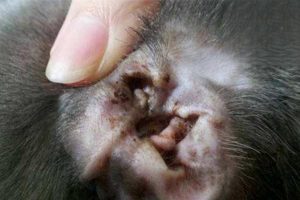
How to Clear Cat Ear Mites Quickly
Ear mites spread cat-to-cat and thrive in unclean, damp ears. Clear them with daily ear cleaning plus a topical dewormer, support the cat's nutrition, and disinfect the home. Consistency — not one-off treatment — is what works.

Symptoms of Ear Mites in Cats
Ear mites cause relentless ear scratching, head shaking, and dark brown debris in the canal; untreated they invite bacterial infection and otitis. Clean the ears daily with a pet ear solution, deworm regularly, and keep the environment disinfected.

What to Do If Your Cat Vomits After a Deworming Tablet
Vomiting after a dewormer often means the cat ate too soon before the dose or had food in the stomach. Give the tablet on an empty stomach with water, and re-dose only if the tablet itself came back up. Go easy on fatty food afterward, since most dewormers are fat-soluble.