Search Results
82 results for “cat dewormer”
Why Is My Cat Vomiting Green Liquid and How Should I Treat It?
Seeing your cat bring up green liquid is worrying, but it usually points to one of a few common and manageable causes. The green color often comes from bile, which appears when the stomach is empty or the gut is irritated. Frequent triggers include acute gastroenteritis from weather changes or sudden diet switches, internal parasites, spoiled food, and hairballs that will not pass. The right response depends entirely on the underlying cause—some cases need only warmth and probiotics, while others call for prompt deworming or a vet visit. This guide walks through each possibility and the matching treatment.
Cat Vomiting Yellow Fluid and Undigested Kibble: Causes and Care
When a cat throws up yellow fluid and undigested kibble, weak intestines, especially in kittens, are often to blame. If lethargy and appetite loss accompany it, rule out feline panleukopenia with a vet. Otherwise the usual causes are simple indigestion from irregular feeding, intestinal parasites, or gastroenteritis from spoiled food. Manage mild cases with a pet probiotic and a short fast, treat parasites with a dewormer, and seek a clinic if it persists beyond 24 hours.

Why Your Cat May Sleep More or Pass Gas After Deworming
House cats are usually dewormed every 2-3 months, and most show no reaction, but a cat with a heavy parasite load or a weak constitution can have mild side effects. Frequent passing of gas comes from the drug speeding gut movement and fermenting food; if the cat acts normal it eases within an hour, and a pet probiotic can help. Mild vomiting or diarrhea, drowsiness, or lowered appetite are also usually normal and pass in 1-2 days, though severe cases need a vet to rule out toxicity or fatty liver.
Cat Has Chronic Diarrhea? It’s More Than a Sensitive Stomach
Long-term diarrhea in cats is rarely just a 'delicate stomach' you can fix by swapping food or adding probiotics. Diet and food allergy are common, but so are parasites (some needing specific drugs), inflammatory bowel disease, and metabolic diseases like pancreatitis, hyperthyroidism, or kidney disease. Stress is a third driver. Work through the causes step by step and let a vet run the right tests.
Why Does My Cat Still Itch After Deworming?
A cat that keeps scratching after a dewormer isn't necessarily proof the product failed. Dewormers kill parasites but not skin problems, and the wrong product, wrong application, or an untreated home can all leave itching in place. Flea-allergy dermatitis, mites, dry skin, and stress can itch too. Mild scratching for a day or two may just need patience; anything longer with skin damage needs a vet.
Does a Scratching Cat Always Have Parasites?
A scratching cat doesn't automatically have worms. Itching can come from parasites, but also from skin disease, allergies, dry skin, or even stress. Anxious cats may over-groom until they damage their own skin, creating a vicious itch cycle. If scratching continues after a dewormer, or comes with hair loss, redness, bumps, ulcers, or heavy scaling, it's time for a veterinary check rather than more flea treatment.
How to Choose a Dewormer for Your Dog: A Science-Based Buying Guide
Choosing a reliable dog dewormer comes down to three things: a verifiable veterinary license, a broad-spectrum active ingredient that covers the parasites your dog is actually exposed to, and a price you can sustain month after month. Internal parasites (roundworms, hookworms, whipworms, heartworm) and external ones (fleas, ticks, lice, ear mites) require different actives, so a combined product or a matched pair is usually the most efficient plan. This guide explains the core selection criteria and the most common mistakes owners make, so you can protect your dog and your household without overspending.
What to Do If Your Cat Has Tapeworms
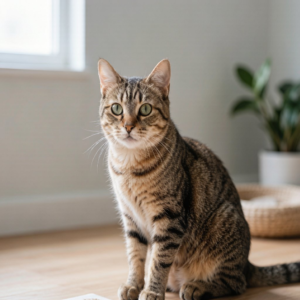
Tapeworms cause belly discomfort, diarrhea, vomiting, weight loss, dull coat, and shedding; heavy infections shed visible segments near the anus, making the cat scoot or lick. Cats catch them by eating infected fleas, mice, or birds, through mother's milk, or from a contaminated environment. Treatment is a dewormer with praziquantel, fenbendazole, or albendazole plus probiotics, and strict flea control plus regular deworming prevents reinfection.
Budget Cat Deworming: What to Look For
Even indoor cats can pick up parasite eggs on shoes, clothes, or parcels, and skipping treatment risks itching, anemia, and poor growth. The aim is not the priciest product but a safe, licensed one used correctly. This guide explains why cats need deworming, what a good spot-on covers (the broad-spectrum imidacloprid-plus-moxidectin pair and heartworm prevention), and how to choose on safety, credentials, and monthly cost rather than sticker price. In mosquito-heavy regions, a heartworm-preventing product used monthly is especially important.
How to Choose a Reliable, Budget-Friendly Dog Dewormer
Owners often swing between over-priced imports and risky unlicensed bargains—both can harm the dog. Deworming is non-negotiable: internal worms steal nutrition and damage the gut, while heartworm stays silent until it is serious, and external pests spread disease to people too. This guide explains why deworming matters, the active ingredients by parasite type (including the Collie warning on ivermectin), and how to choose and use a product safely—spectrum, convenience, credentials, correct dosing, and the myths that lead owners astray.