Search Results
184 results for “cat dehydration”
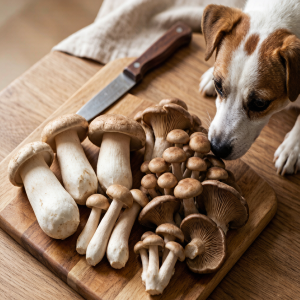
Can Dogs Eat Mushrooms?
This is a topic that demands attention: ordinary store-bought mushrooms are fine for your dog, but wild mushrooms carry a risk of toxicity to both people and dogs. Be especially careful not to let your dog eat wild mushrooms. This article covers safe preparation and the dangers of wild mushrooms.

Can Dogs Get Diabetes?
Diabetes is one of the most common medical conditions in humans. Surprisingly, it is also a common disease in dogs. The main symptoms of diabetes in both people and dogs are increased thirst and water intake. This article explains the types of diabetes in dogs and the importance of early diagnosis.

Treatment of Chronic Kidney Failure in Dogs
Treatment of chronic renal failure (CRF) in dogs must be based on the severity, cause, secondary diseases, and other factors your veterinarian analyzes beforehand. The ultimate goal is supportive care while treating and eliminating infection, dehydration, and malnutrition. This article outlines the treatment options and home care.

What Is Canine Parvovirus?
Canine parvovirus (CPV) is a single-stranded DNA virus that hits unvaccinated dogs of any age; CPV-2 is the most virulent and a leading cause of severe puppy enteritis. It spreads by fecal-oral contact, resists the environment for months to years, and causes vomiting, bloody diarrhea, and dehydration. Vaccination is key.

Diagnosing and Treating Salmonellosis in Dogs
A firm diagnosis of canine salmonellosis relies on fecal culture plus history and exam, since many other infections look alike. Treatment ranges from gut rest and supportive fluids to carefully chosen antibiotics. Strict hygiene prevents spread to other pets and people.

What Is Feline Panleukopenia?
Panleukopenia is a fast, fatal-sounding viral disease — but fear comes from not understanding it. Infection needs three things: a source, a route, and low immunity, so even a cat that never goes out can be at risk.

Dog Gastroenteritis: Causes, Signs, and Care
Gastroenteritis in dogs stems from irregular feeding, bad food, irritants, parasites, or infection, causing vomiting, diarrhea, and weakness. Withhold food briefly, then follow a vet's medication plan.

Does a Kitten Really Need Deworming After Two Months
Regular deworming protects both cat and owner, with internal treatment every three months and external every month. Time the doses around meals, hold off during gut upset, and support the stomach with a probiotic afterward. Skip raw meat and unfamiliar foods right after treatment.

Can Feline Distemper Spread to Dogs
Feline panleukopenia, commonly called cat distemper, is highly contagious among cats but does not spread to dogs. Kittens are most at risk, and the disease can be fatal without prompt care. Vaccination and isolating sick cats are the cornerstones of prevention.

How Long Until a Dog with Parvo Stops Bleeding?
Parvo is a serious, highly contagious disease, and bloody diarrhea usually means a severe case that bleeds for two to three days before improving with prompt care. Early veterinary treatment is what turns the odds in the dog's favor.