Search Results
184 results for “cat dehydration”

Canine and Feline Strongyloidiasis: Symptoms, Treatment, and Prevention
Strongyloidiasis is caused by the threadworm Strongyloides stercoralis, infecting dogs, cats, foxes, humans, and other primates. It causes dermatitis, pneumonia, and enteritis in young animals and is treated with anthelmintics.

Feline Panleukopenia (Feline Distemper): Symptoms and Treatment
Feline panleukopenia, also called feline distemper or infectious enteritis, is a highly contagious and often fatal viral disease of cats. It causes high fever, vomiting, diarrhea, dehydration, and a dangerous drop in white blood cells, and is especially deadly to kittens.

Canine Coronavirus (CCoV): Symptoms, Treatment, and Prevention
Canine coronavirus is a highly contagious viral infection that causes acute gastroenteritis in dogs. It spreads through contact with contaminated saliva, feces, and food, and typically produces vomiting, diarrhea, and appetite loss. Most dogs recover within 7 to 10 days, but the infection is known to recur.
Why is my dog refusing food and water, foaming at the mouth, and losing weight after two days—what medicine should I give?
Refusing food and water while foaming at the mouth can result from poisoning, gastroenteritis, pancreatitis, infectious disease, or internal parasite infection. After two days of symptoms your dog is at risk of dehydration. Take it to a veterinary clinic for diagnosis and the proper treatment plan; avoid medicating blindly, which could cause further harm.
My 2-month-old kitten has a cold, won’t eat, and is sneezing
Likely herpes or calicivirus. Get the kitten to a vet for fluids to avoid dehydration and low blood sugar, then test (CBC, PCR) before medicating. If a vet isn't immediately possible and there's no fever/eye discharge/mouth ulcers, a pet antibiotic (amoxi-clav, doxycycline) plus lysine, vitamin C, and protein may help.
My turtle has white-eye disease and I’m going away — how do I care for it?
White-eye disease needs isolation and dry-treatment with daily short soaks (twice a day for adults). Apply chloramphenicol, ofloxacin, or erythromycin eye medication 1–3 times daily. If you leave, have someone check on the turtle to avoid fatal dehydration.
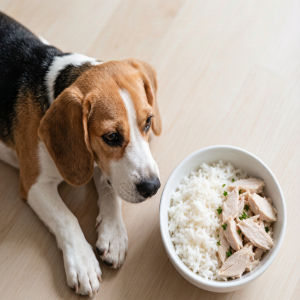
What to Do When Your Dog Has an Upset Stomach or Diarrhea
Have you seen a dog eat grass and vomit? Eating grass signals stomach upset; check temperature. Normal dog temperature is 37.2 to 38.3 C. Do not self-treat, especially with human medicine - it may harm more.

What to Do If Your Dog Eats Rat Poison
Depending on the amount, type, and timing of rodenticide ingestion, some pets can be treated on an outpatient basis while others require hospitalization. Treatment for rodenticide poisoning may include one or more of the following approaches:
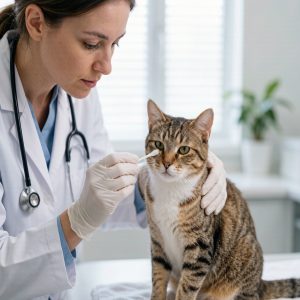
What to Do for Feline Liver Failure
The veterinarian will perform various tests to diagnose liver failure and rule out other diseases that may cause similar symptoms. Obtaining a complete history, describing clinical signs, and a thorough physical examination are all important methods for reaching a diagnosis. In addition, a liver biopsy is necessary in some cases to obtain a definitive diagnosis. Your veterinarian may recommend the following tests to rule out other diseases and confirm the diagnosis of liver failure.

Diagnosis and Treatment of Dog Near-Drowning
Near-drowning is defined as survival for more than 24 hours after being fully submerged. This article explains the stages of near-drowning, how fresh and salt water differ, and the diagnostic tests and treatments veterinarians use.