Search Results
140 results for “cat curiosity”
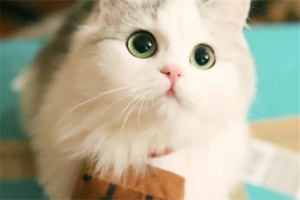
Why Is Your Cat Withdrawn or ‘Autistic’?
A cat that seems 'autistic' or withdrawn may have a congenital communication disorder, or may have become so from abuse, a cold or distant owner, long-term caging, or past trauma and fright. Signs include little curiosity, isolation in corners, dulled reactions, sleep and appetite loss, and in severe cases self-harm. These cats need extra love and companionship, gentle interaction, and confidence-building, and should never be abandoned, since a withdrawn cat struggles to survive outdoors.
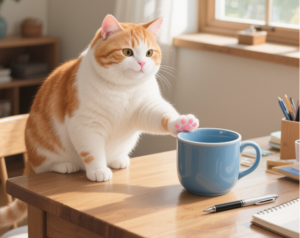
Why Does Your Cat Keep Pushing Things Off the Table?
When your cat knocks your cup or pen to the floor, it isn't pure mischief. A 2019 Cornell study found domestic cats keep about 80% of their wild hunting instinct, so they treat desk objects as "motionless prey" and the push is a mock hunt, especially for round things that roll like escaping prey. Cats are also smart readers of your mood; any big reaction, scolding or a wry laugh, teaches them that pushing things earns attention, and bad attention beats being ignored. Frequent exploring is actually a mental-health sign. Curb it with a designated play zone, daily hunting games, ignoring the act, and physically securing valuables.

How to Read Your Cat’s Mood From Its Ears
A cat's ears are a precise emotional radar: 32 independent muscles let them rotate 180 degrees to pin sound, and their position shifts with mood in real time. Forward and relaxed means content and trusting; upright and swiveling means alert and defensive, so don't disturb; flat back against the head (the "airplane ears") means fear or stress and a risk of fleeing or lashing out, so move the cat to a calm space and consider a pheromone spray. A single tilted ear shows curiosity, and frequent flicking just means something tickled the ear. Reading these cues helps you interact at the right moment and avoid forcing contact when the cat is uneasy.
Why Do Cats Lose Interest in Toys So Fast?
Cats are endlessly curious about new things, yet that curiosity fades fast—so a thrilling new toy soon becomes boring. Because cats have short attention spans and individual preferences, rotate toys instead of discarding them: put an old toy away and bring it back later to spark fresh interest. Don't dump many toys at once; offer different ones at different times, and most importantly play together—cats are social and lose interest when left to play alone. Regular interaction keeps both their interest and your bond strong.
Can Cats Eat Mint Leaves?
Plain mint leaves are not toxic to cats, though most cats dislike the cool scent and rarely eat them, so a home mint plant is safe to grow. Do not confuse mint with catnip: catnip has little smell to us but excites cats, easing tension—offer a little when a cat is stressed, but not too much, or it may become overstimulated. Cat grass is another useful plant: its fiber aids digestion and helps pass hairballs, and it supplies trace nutrients. Grow some cat grass or keep hairball paste on hand. In short, mint leaves are harmless; just know the difference between mint and catnip.

How to Train Your Dog to Catch a Frisbee
Few tricks impress like a dog leaping to catch a flying disc, but the skill is built step by step, not born overnight. The foundation is simple: make the disc exciting, teach a reliable bite-and-drop, and let the dog ride your body as a launch pad before expecting big air. With patience and short sessions, most dogs get there.
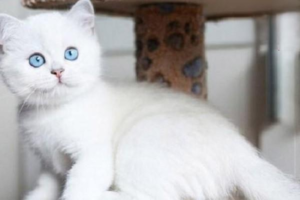
What New Cat Owners Should Know
Bringing a cat home is joy and responsibility, so prepare mentally as well as materially. Night activity, shedding, scratches, and curiosity are all part of cat life. This guide covers the realistic expectations, the gear to buy, and the steps after adoption: quarantine windows, vaccines, warmth, and the right time to neuter.

Why Cats Love Running Water
A cat's fascination with running water is instinct, not mischief. In the wild, cats drink moving water because still water breeds unseen bacteria, and a dripping tap also triggers curiosity and a sense of hunting for sources. Cats also smell roughly 200,000 times better than we do, so they dislike the chlorine and stale scent of water left standing in a bowl. The fix is simple: a circulating fountain, water placed away from food, and a refresh two or three times a day. Good intake matters — low water leads to urinary stones and kidney disease.

What to Prepare Before Bringing a Cat Home
Before you take a kitten home, be ready to care for it for life — an abandoned cat can be deeply distressed and may not survive. Choose a cat over two months old that already eats and uses the litter box on its own, get a basic vet check first, and carry it home in a covered carrier. Set up a quiet room, lock away toxins and secure the windows, hold off on baths for young kittens, follow a deworming schedule, and plan to spay or neuter. A little preparation prevents most beginner mistakes.
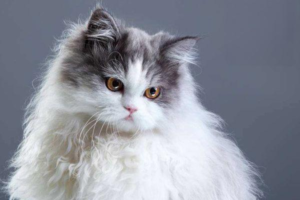
Why Cats Drink From the Foot Basin
It looks odd, but a cat eyeing the foot basin is usually acting on instinct rather than mischief. Two forces drive it: a strong pull toward fresh water, and outside stimulation. Cats trust running, wide-surface water more than a stale bowl, and the warmth and motion of a foot bath read as fresh and interesting. The steam and a moving foot also stir their curiosity and nose. The takeaway is that strange drinking habits signal an unmet need — cats are only partly domesticated, so the better fix is to meet the need than to fight the habit.