Search Results
140 results for “cat curiosity”

Why Do Cats Jump from High Buildings?
Cats may fall from heights due to curiosity about the outside, panic, or the urge to mate. They can't judge height or distance and may think a ledge is safe. Install window screens, trim claws, enrich their environment, and spay/neuter to prevent these tragedies.

Why Does Your Cat Wait at the Door for You?
A cat at the door isn't always pining for you — it may be ready to 'confess' a misdeed, curious about outside sounds, eager to smell where you've been, bored and wanting play, or simply hungry. Read your own cat's habits to respond to what it actually needs.

Why Does a Cat Eat Cat Litter?
A cat may eat litter out of curiosity, mistaking it for food, digestive upset, stress, or a nutrient deficiency (pica). Stop it at once, and if it persists, see a vet to rule out disease. Switch to low-dust, unscented litter and keep the cat well fed to cut the risk.

Why Do Mixed-Breed Cats Run Away from Home?
Mixed-breed cats may wander off for many reasons: a love of freedom, strong curiosity, mating urges when in heat, feeling neglected, household changes, getting lost, or illness near the end of life. A safe, loving home and neutering greatly reduce the risk.
What Does It Mean When a Cat Stares at You?
A cat that stares may simply be curious, gathering information about your habits. If it brings a toy and stares, or jumps on your desk and paws your hand while you work, it likely wants play. But a fixed stare with dilated pupils, ears back, a tense body, and a flicking tail means it feels threatened and is on guard. Read the full body language — ears, tail, posture — and the situation to judge, then meet the need.

Why Do Cats Imitate Their Owners’ Behavior?
Cats may imitate their owners to fit into the home, satisfy curiosity, play and bond, show affection, or seek attention. This mirroring is a normal sign of learning and attachment, and understanding it helps owners respond with patient, better care.

How to Improve Your Cat’s Happiness
A cat's happiness rests on four pillars: balanced nutrition, a safe and stimulating home, regular interaction, and consistent preventative healthcare. Feeding scheduled meals, providing hiding spots and toys, playing 10 to 15 minutes a day, and keeping up with vaccines, deworming, and dental care together build a contented, healthy cat.
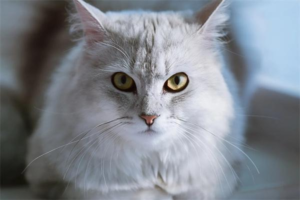
Does a Mother Cat Remember Her Kittens Forever?
A mother cat does not necessarily remember her kittens forever — it depends on separation time, environmental change, and household changes. Keeping the household stable and maintaining regular interaction between mother and kittens can deepen their bond and memory. A few simple habits help a mother cat keep recognizing her young.

8 Signs Your Cat Is Happy and Well Cared For
A well-cared-for cat shows it in clear ways: wild, relaxed sleep poses (even belly-up) in any corner of the home; actively rubbing against your legs and curling up in your lap; daily playfulness and curiosity about new toys; a tail held high like a flag while walking; steady appetite without pickiness and regular drinking; a coat that is soft, glossy, and free of grease or dandruff; a consistent daily routine; and a stable weight in the healthy range. You don't need perfection — meeting two or three of these already means your care is on point. Beyond that, keep up vaccines, deworming, and a clean environment.

Free-Roaming Cats: The Pros and Cons
Free-roaming (letting a cat roam outdoors) has both upsides and downsides. The benefits are freedom, more exercise, and better mental health, the cat explores, satisfies curiosity, stays active and social, and is less repressed than a strictly confined one. But the outdoors carries real danger: traffic and fights with strays, exposure to bacteria, ticks, and fleas that raise skin and infectious disease risk (and can threaten the family at home), and the chance the cat wanders off and never returns. If you choose to free-roam, do it in a enclosed safe area, keep up deworming and vaccines, and fit a tracker. Weigh the trade-offs for your cat's personality and setting.