Search Results
675 results for “cat comfortable”

Koi
Koi (Cyprinus carpio) are ornamental carp kept worldwide as pond fish and symbols of good fortune. Hardy and long-lived — often 60 to 70 years — they are relatively easy to keep, but steady water quality, correct temperature, and a good diet are what keep their colors vivid and their health strong.

Western Pond Turtle
The western pond turtle, also called the California pond turtle, is a broad-headed, relatively secretive freshwater turtle native to the U.S. West Coast. An accomplished swimmer that loves basking, it is a protected species usually available only as captive-bred stock.

Takydromus formosanus
The Taiwan Grass Lizard (Takydromus formosanus) is an endemic, leaf-colored lizard found only on the island of Taiwan. An agile climber that requires strong UVB lighting and a tall, planted terrarium, it is a rewarding but temperature-sensitive pet.
Pink-ringed Tent Turtle
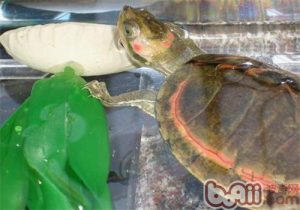
The Pink-ringed Tent Turtle (Pangshura tentoria) is a striking high-domed turtle with pink cheeks and a pink ring around its carapace, but it is delicate, with hatchling mortality often above 80%, mostly from skin rot. Best suited to experienced keepers who can provide stable temperatures and a basking area.

Northern Ornate Box Turtle
The Northern Ornate Box Turtle is a desert-dwelling box turtle of the genus Terrapene, found in the United States and Mexico. Highly drought-tolerant, it stores water well and endures arid conditions better than other box turtles.

Hilaire’s Toadhead Turtle
Hilaire's Toadhead Turtle (Phrynops hilarii) is a side-necked turtle in the toadhead genus, strongly affected by ambient temperature and closely tied to it in behavior. Delicate and hard to keep in captivity, it is not recommended as a first turtle.

Perianal Adenomas in Dogs
Perianal adenomas are modified sebaceous tumors that occur almost only in dogs, more often around the anus of male dogs. They are usually multiple, raised, and benign, though females can show malignant forms. Surgery or freezing removes them, and castration helps.
Canine and Feline Nasal Adenocarcinoma
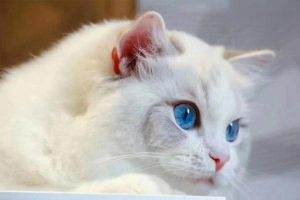
Nasal adenocarcinoma is a destructive tumor of the nasal lining in dogs and cats, producing a bleeding, pus-tinged discharge and gradually destroying the normal nasal structures. There is no reliably curative treatment, and the prognosis is poor.

Canine and Feline Oral Squamous Cell Carcinoma
Oral squamous cell carcinoma is an aggressive, invasive tumor of the mouth lining in older dogs and cats, usually appearing as a firm, ulcerated white mass on the gums, tongue, or palate. Treatment options are limited and the prognosis is generally poor.

Canine and Feline Infectious Oral Papillomatosis
Infectious oral papillomatosis is a benign viral wart of the mouth caused by a papillomavirus and spread by direct contact, mainly in young dogs. The growths usually regress on their own within a few weeks, though large numbers can interfere with eating.