Search Results
675 results for “cat comfortable”

Chinchilla Care Basics: What Living Environment Do Chinchillas Need?
Chinchillas come from the dry, cool Andes, so they need 10-25 C and 40-60% humidity, dim light, fresh air without drafts, a quiet spot, and a tall cage placed up high where they feel safe.

Why Is Your Chinchilla Having Diarrhea, and What to Do?
Normal chinchilla droppings are elliptical, slightly moist, firm, and smooth with tiny pores. Unformed or semi-solid stool means diarrhea - from poor digestion, spoiled food, chills, stress, or a dirty cage. Stop treats, feed hay, and see a vet if it persists.
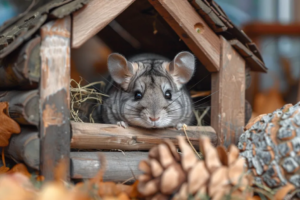
Why Is My Chinchilla Shivering? Common Causes and Fixes
A chinchilla may shiver from stress in a new, noisy home, from cold when the temperature drops too low, or from pain when it is sick or hurt. Calm and warm the environment for the first two; for pain—with signs like not eating, weeping eyes, fever, or reluctance to move—see a vet to find the cause. Most shivering falls into these three categories.
How Long After Bladder Stone Surgery Can a Dog’s Stitches Be Removed?
Stitches are usually removed about one week after bladder stone surgery. The dog needs fasting for about 6 hours and an Elizabethan collar until the wound heals, and the vet may give antibiotics to prevent infection.
How to Treat Pneumonia in Hamsters?
Treating pneumonia in hamsters depends on catching it early and acting fast: confirm the cause with a vet, then use antibiotics or antifungals as prescribed, and support recovery with nebulization, a clean warm environment, and good nutrition. Because poor housing, dusty bedding, and stress are common triggers, prevention focuses on stable, clean, well-ventilated living conditions.

What Causes Stereotypic Behavior in Hamsters?
Stereotypic behavior in hamsters is a neurological and behavioral disorder triggered by factors such as improper diet, sudden changes in surroundings, insufficient exercise and stimulation, psychological or physiological stress, and inbreeding. The condition cannot be cured but can be managed with medication, so prevention through a stable, comfortable environment and balanced nutrition is the most effective strategy.

Goldfish Moods and Behavior: Reading Their Emotional and Health Signals
Goldfish express distinct moods through their swimming and feeding behavior: active, eager swimming signals contentment, while prolonged bottom-sitting or lying on the side often points to stress, fear, or illness. Because low mood and sickness can look alike, judge a fish by its body color, gill condition, water quality, and appetite rather than behavior alone.
How do I feed a newly adopted kitten?
Provide ample food and water by age, size and activity; kittens need 4-6 meals daily and adults 2-3. When changing food, do it gradually to avoid gut upset.
How do you help a kitten enter deep sleep?
Provide a quiet, cozy bed and feed the kitten first; gently stroke its back like a mother cat. Keep the environment quiet and free from light and sound stimulation.

Why Does My Rabbit Keep Squinting?
Squinting can be normal - a relaxed, comfortable rabbit may squint contentedly, and in bright light it squints to protect its eyes. But long squinting can also mean a foreign object or eye disease; check the eye, and remove any debris. If you see redness or discharge, see a vet.