Search Results
675 results for “cat comfortable”
Don’t Ignore Joint Pain in Your Cat or Dog
Joint pain is not 'just old age.' From limping and hesitant jumps to morning stiffness and a short temper when touched, pets signal discomfort in quiet ways. Catching it early protects mobility and comfort. Learn the warning signs, why joints degrade, and the practical steps—weight, exercise, and veterinary care—that keep your companion moving.
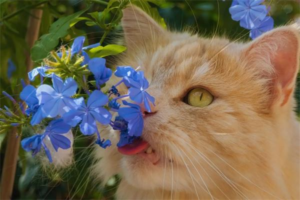
Where Do Cats Like to Hide?
Cats are naturally cautious and alert, so they are drawn to hidden, dark, and narrow spaces where they feel safe. Common hideouts include under the bed or sofa, inside cabinets and small enclosed spaces, up on high shelves and bookcases, and tucked inside boxes, bags, and even the occasional sink. Outdoors, cats slip into grass and bushes to explore and play. Knowing your cat's favorite spots helps you find it faster when it disappears, and understanding this instinct lets you support its well-being. Providing a closed, secure, and comfortable retreat of its own satisfies a cat's need for privacy and can greatly increase its happiness at home.

Why Do Cats Get Folliculitis?
Feline folliculitis is a common skin condition that causes discomfort and distress for cats. It can be triggered by a mix of external factors, daily habits, and even genetics. Environmental issues such as bacteria, fungi, and parasites thrive in warm, humid conditions and raise the risk of infection. Over-grooming, scratching, and poor coat care can also damage the skin and lead to flare-ups, while long-haired breeds like Persians and Siamese are genetically more prone to it. The good news is that folliculitis is manageable. Treatment involves clipping the affected area, cleaning with saline, disinfecting with iodine, and applying an antibacterial ointment daily. Prevention relies on a balanced diet, regular grooming, a clean and dry living space, gentle bath products, and routine veterinary checkups. With the right care, owners can greatly reduce the likelihood of recurrence.

Why Does Your Cat Suddenly Dart Around the House?
When a cat suddenly tears around the house, pounces at empty air, or arches its back and puffs up, it is usually showing what veterinarians call Frenetic Random Activity Periods (FRAPS)—a normal behavior, especially in kittens and young cats. The triggers are mostly instinctual: a retained hunting drive, excess energy, stress, or heat in unspayed cats. Occasionally, frantic running signals a health problem such as hyperthyroidism, a neurological disorder, or a parasitic infection, particularly when paired with appetite loss, weight drop, or lethargy. Meeting the cat's exercise needs with toys and play, plus a calm, safe environment, keeps normal zoomies harmless and happy.
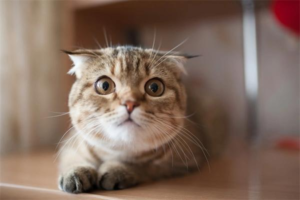
Why Has My Cat Become Inactive?
A sudden drop in a cat's activity can mean many things: illness, a change of environment, aging, a naturally calm personality, or simple boredom. A busy owner who rarely plays with the cat can leave it bored, inactive, even depressed—so give plenty of companionship and affection. But illness, a move, or old age can also be the cause, and you should judge by the situation. If low energy comes with vomiting, diarrhea, or lost appetite, see a vet; if it follows a move, give time and a safe space; if the cat is elderly or just naturally quiet, that may be normal. Watch your cat closely and respond with the right care.
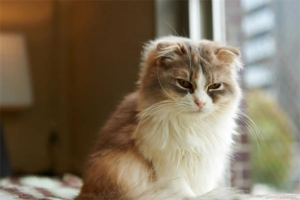
Why Does My Cat Gently Bite Me?
A cat's gentle bite is rarely aggression—it is usually communication. It may be an invitation to play, since cats explore with mouth and paws; a sign of affection, as light bites are how cats bond with each other; a way to express unease or a need when anxious; or a warning to stop what you are doing. Read the situation and respond calmly. Beyond decoding the bite, give your cat enough exercise and interaction, offer cat-safe toys and treats (never human snacks), and learn its body language to build a closer, trusting relationship.

Are Cats Afraid of Thunder?
Cats hear a far wider range of sound than people do, so a thunderclap that seems loud to us can be overwhelming to them. The sudden onset, before they have time to adjust, can trigger real fear and even stress-related illness—especially in timid cats or certain sensitive breeds. During storms, move your cat to a quiet, comfortable room, offer treats or toys to distract it, and stay calm and close. Longer term, gentle sound-socialization as a kitten can help a cat tolerate loud noises such as thunder and fireworks.
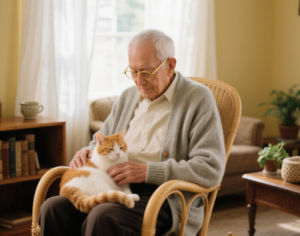
Why Are Cats Raised by Elderly Owners So Calm and Obedient?
Cats kept by elderly owners often seem gentler and more obedient than the lively pets raised by younger people, and the reason is rooted in pet behavior science. Cats love calm, predictable routines, and an older person's slow, regular daily rhythm gives them a sense of safety that lowers their guard. Seniors also provide the 'effective companionship' cats value most—short, low-intensity interactions like petting and soft talk scattered through the day—rather than infrequent marathon play sessions. On top of that, elderly owners tend to be gentle yet consistent: they neither shout nor overindulge, setting clear rules while offering unconditional acceptance. This calm, secure environment lets a cat relax and show its sweetest side.

Why Cats Eat Less in Winter (and What to Do)
Cats are poor at regulating body temperature, so when it gets cold their metabolism slows and appetite often drops. Lower winter activity also weakens gut motility, slowing digestion and leading to reduced interest in food. Appetite loss can also signal a health problem—a chill, a cold, oral disease, or long-term cold drinking water causing stomach upset. To help, warm your cat's surroundings, feed on a fixed schedule, and boost palatability by mixing in favorites like chicken, fish, freeze-dried treats, or egg yolk, and serve food slightly warmed. If you notice sneezing, runny nose, lethargy, fever, diarrhea, or vomiting, see a vet.

How to Tell If Your Cat Is Full?
Many cat owners worry their pet is still hungry and keep topping up the bowl, but overfeeding causes indigestion and obesity. To judge whether a cat has eaten enough, watch its post-meal behavior: full cats groom themselves, leave the feeding area, and settle in a sunny, comfortable spot to rest, while hungry cats linger near the food. In multi-cat homes, satisfied cats may even groom each other. Free-fed cats show weaker cues because constant access lowers food excitement. Note that two behaviors are NOT signs of hunger: guarding the food storage (common in newly arrived, unsettled cats) and showing interest in your own meal (an opportunistic scavenging instinct). Control daily portions by age, health, and appetite to keep your cat at a healthy weight.