Search Results
675 results for “cat comfortable”
What to Do If Your Cat Has a Difficult Temperament
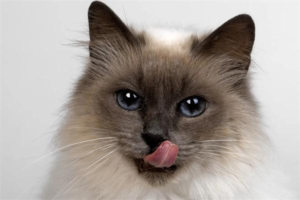
A grumpy cat may be unmet in its needs or physically uncomfortable; neglect, poor diet, or illness all show as bad mood. Find the cause first. Build a calm, stable home, spend daily time playing and bonding, meet its physical and emotional needs, and be patient through heat or pregnancy — most cats warm up with steady, gentle care.

What Are the Signs That a Cat Is Sad?
Sad cats often show it through loss of appetite, hiding, watery eyes, over- or under-grooming, and poor sleep. Comfort them by respecting their space, offering a safe retreat, and engaging in calm, low-pressure interaction.

What Your Cat’s Sleeping Position Reveals About Its Mood
A cat's sleep pose is a window into how safe and relaxed it feels. A cat that flops belly-up is completely at ease, while one curled into a tight ball with its head on its paws is on alert. Giving your cat a quiet, comfortable spot to rest supports better sleep and lowers stress.
Why Do Mixed-Breed Cats Run Away from Home?
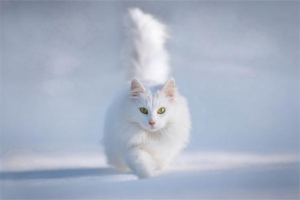
Mixed-breed cats may wander off for many reasons: a love of freedom, strong curiosity, mating urges when in heat, feeling neglected, household changes, getting lost, or illness near the end of life. A safe, loving home and neutering greatly reduce the risk.

How to Improve Your Cat’s Happiness
A cat's happiness rests on four pillars: balanced nutrition, a safe and stimulating home, regular interaction, and consistent preventative healthcare. Feeding scheduled meals, providing hiding spots and toys, playing 10 to 15 minutes a day, and keeping up with vaccines, deworming, and dental care together build a contented, healthy cat.

Why Do Cats Hug Your Legs?
When a cat wraps itself around your leg it can signal different things: security, affection, joy, a request to play, a plea for protection, gratitude, or even illness. Read the context and your cat's overall condition: an energetic, bright cat is simply happy, while one that seems unwell may be asking for help.

Why Do Cats Roll on the Floor?
A cat rolling on the ground can mean play, happiness, self-grooming, a bid for attention, stress relief, or itchy skin from parasites. Context matters: if the rolling is paired with scratching or skin irritation, check for fleas and treat promptly; if it is purely attention-seeking, more interaction solves it.

How Long Do Scottish Fold Cats Live?
Scottish Fold cats typically live 10–15 years—shorter than many breeds—because they are born with osteochondrodysplasia, an inherited cartilage and bone disorder that causes pain in the tail, ankles, and knees and can appear as early as 2–6 months. Their weaker constitution also makes them prone to skin disease, respiratory illness, and heart problems, so regular vet checks, weight control, and joint-support supplements help extend their lifespan.
Why does my cat purr when I pet it?
Purring when petted means the cat feels comfortable, happy, and safe. It shows the cat enjoys your touch and loves you — pet more to bond.

What Long-Term Caging Does to a Cat
Cats are born free spirits and caging them long term harms body and mind. It causes anxiety, fear of people, and odd behaviors like over-grooming or chewing the bars; physical limits lead to stiff joints, muscle loss, obesity, heart risk, constipation, and poor bone development; little contact blunts social skills; suppressed instincts distort natural behavior; and cage life can ruin litter habits and cause odor. Caging should be rare and short, only for health or safety limits. Instead, cat-proof the home with mesh on windows and doors, give a cat tree and scratcher, litter-train, and let the cat roam free with your company.