Search Results
318 results for “cat care tips”

Why Is My Dog Losing Hair Around the Ears?
Hair loss around a dog's ears can stem from normal shedding, genetics, or poor nutrition, or—more seriously—a skin disease, parasites, or an ear infection. Watch for itching, redness, or discharge, and seek a veterinary diagnosis before treating.
Thinking of Getting a Blue British Shorthair? Here’s What You Should Know
Before getting a blue British Shorthair, weigh three things: heavy shedding (a short coat that still ranks near the top for hair loss, so brush often), a slow metabolism that makes obesity easy (diabetes, joint wear, heart strain), and inherited diseases — polycystic kidney disease, progressive retinal atrophy, hypertrophic cardiomyopathy — that genetic screening can catch before you bring one home.

What Are the Risks of Shaving Your Pet?
Shaving a pet can weaken its temperature control, raise the chance of skin allergy or other skin problems, lower coat quality, and affect its mood. Weigh the pros and cons before shaving, and if it is not necessary, it is best not to shave. If you must, use the right tools and method to avoid skin injury.

What to Do If Your Hamster Has a Fracture
If a hamster breaks a bone, place it in a quiet, warm, comfortable space to ease pain, and apply a wrapped ice pack to the injury for 15 to 20 minutes to reduce swelling. Because hamster bones are delicate, handling them at home can cause more damage, so see a veterinarian promptly. The vet will examine and X-ray the fracture, then use external fixation like a splint or internal fixation with plates or pins depending on severity.

Symptoms and Treatment of Intussusception in Dogs
Intussusception in dogs shows up in many ways, including loss of appetite, vomiting, abdominal pain, and diarrhea. Without timely treatment, the symptoms worsen as the condition progresses. Severe cases may bring intense abdominal pain, frequent vomiting, a swollen belly, abnormal posture, and intra-abdominal bacterial infection. Mild intussusception can often be corrected with air-enema reduction, while serious cases require surgery. This article details how to recognize the signs, the treatment options available, and the preventive steps that lower the risk of this serious digestive emergency.

Symptoms and Treatment of One-Eye Cold in Parrots
One-eye cold is a common contagious eye condition in parrots, marked by swollen conjunctiva, watery discharge, lethargy, reduced appetite, and weakness, with respiratory signs in severe cases. If you notice these symptoms, take them seriously and treat promptly. Care begins with isolating the sick bird and disinfecting the cage, then gently cleaning the eye and applying bird-specific drops such as bird-specific eye drops or human erythromycin ointment—treating both eyes even if only one is infected. Serious cases need antibiotics under a vet's guidance. Daily hygiene, clean food and water, and regular check-ups are the best prevention.

Are Corgis Prone to Patellar Luxation?
Corgis are indeed a high-risk breed for patellar luxation. Data from the Orthopedic Foundation for Animals (OFA) puts corgis in the top three among small breeds, with about 20%–30% developing some degree of the condition. The cause is twofold: a genetic mutation that leaves the trochlear groove too shallow to hold the kneecap, and a short-leg bone structure that angles the femur and tibia inward by 15°–20° more than usual, pushing the patella out of place. The problem is graded I–IV, from occasional skip-hopping to permanent dislocation. Mild cases are managed with joint supplements and limited exercise, while grades III–IV usually need surgery. Keeping the dog at a healthy weight and avoiding stairs and jumping are the best prevention.

Common Bone and Joint Diseases in Dogs
Poor care often deforms a dog's legs. Know the risks: hip and elbow dysplasia in retrievers and shepherds, osteochondrosis in large fast growers, femoral head issues in small breeds, and degenerative joint disease eased by weight control, gentle exercise, and glucosamine. Home setup matters too, slippery floors and stairs cause lasting damage.
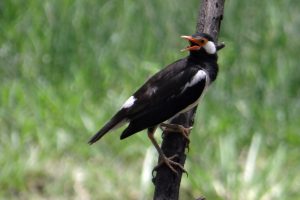
Crested Myna
The crested myna (Acridotheres cristatellus) is a common and uniquely Chinese cage bird, all black with a yellow bill and feet and white wing patches that form a figure-eight in flight. Highly intelligent and a great mimic, it is a favorite talking bird.

Anglo Mink
The Anglo Mink is the domesticated pet ferret (Anglo / Marshall lines) kept as a companion animal. Intelligent, gentle, and easy to litter-train, it is heat-sensitive and mischievous when unwatched, needs a large wire-free cage and 4+ hours out daily, and eats a meat-based diet (30–35% protein, 15–20% fat). Lifespan 8–12 years.