Search Results
71 results for “cat calming”
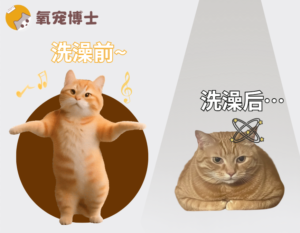
My Cat Is Lethargic After a Bath — What to Do
A cat that's lively before a bath but limp and motionless after is usually having a stress response — most cats hate water, and the tension spikes heart rate and blood pressure, burning energy they then recover by lying still (with hiding, over-grooming, low appetite, or shivering). Dry and warm it, give a quiet dim room and a pheromone spray, and watch; if vomiting, diarrhea, or no eating beyond 24 hours appears, see a vet.
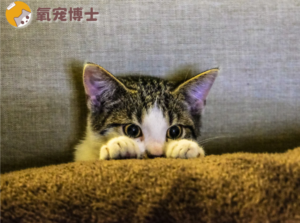
Helping a Cat Through Moving Stress
After a move a cat may hide, pant, stop eating, or even develop feline idiopathic cystitis from stress. Set up a quiet 'safe base' with its familiar bed, toys, and scent, run a synthetic pheromone diffuser, and speak and pet gently without forcing it out. If it refuses food and water over 24 hours, vomits, strains to urinate, or breathes fast with pale gums, see a vet — adapting can take 1–2 weeks.

Why Is Your Cat Panting in the Car? Causes and What to Do
If your cat pants with its mouth open on a car ride, don’t ignore it. In most cases—around 80%—it’s fear: indoor cats suddenly confined in a small, noisy, vibrating space experience a spike in adrenaline that speeds up heart and breathing, and open-mouth breathing is how they meet the higher oxygen demand. But panting can also signal heatstroke, carsickness, or an underlying heart or respiratory condition. This article explains the main causes, how to tell them apart, and a graded response—from calming a mildly stressed cat to urgent steps if the tongue turns blue—so travel becomes less frightening for everyone.
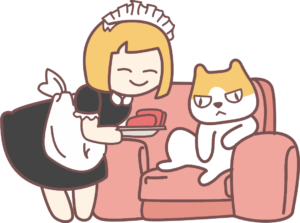
Is Your Cat Hard to Bond With? (Signs and What to Do)
A cat that seems impossible to bond with is rarely born defiant—it usually shows clear behavioral clues and a hidden reason behind them. Such a cat refuses close contact, pretends not to hear its name, guards its food, claims a corner as territory, hides constantly, or even tries to escape. The causes range from a strong independent nature and sex differences to a stray past marked by abuse or the mood swings of an unspayed cat. The fix is patience: give the cat space, build trust through food on a fixed schedule, avoid sudden stimuli, and consider pheromone sprays. Most 'untamable' cats will gradually accept you when treated with respect.

Caring for Your Cat During Spring Festival
For the holiday, plan your cat's care three ways. Staying home: stock ample dry food, extra water (evaporation and spills happen) and thick cat litter - one cat wants about three boxes; lay waterproof pads on sofa and bed in case of stress-peeing. Road trip: use a spacious airline crate (not a cat bag for long drives), let the cat adapt to it beforehand with treats and a blanket that release calming pheromones, pack pee pads and wipes, shield shy cats from view, and drive gently since cats get carsick. Boarding: ensure vaccines are current, pick a cat-dog separated, larger space, bring familiar items and pheromone gear. Not all cats suit this - under-six-month kittens, medicated or chronic cats, pregnant or post-birth cats need special care. After return, wait 2-3 days before bathing, and watch for blockage (a post-holiday high-risk period).
The Secret Behind Why Cats Knead
Kneading is a habit cats form as nursing kittens, pressing the mother's belly to draw milk while feeling warm and safe. Many keep it into adulthood as a way to communicate comfort and affection. There's even an evolutionary angle: scent glands in the paws release pheromones during kneading that signal bonding and can calm aggression. When your cat kneads you, stay quiet, don't grab the tail, and let it express its love. This article uncovers the reasons and the gentle way to respond.
Why Cats Love Catnip So Much
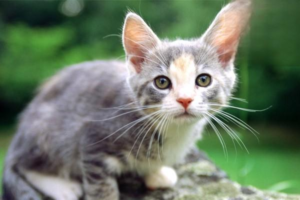
Catnip contains nepetalactone, a compound that triggers a euphoric response in sensitive cats — which is why it is nicknamed "cat cannabis." Affected cats rub, roll, and vocalize for a few frantic minutes, then lose interest, often returning hours later. It is safe with no real side effects, though about 30% of cats (and very young or old ones) are unaffected due to genetics. Beyond fun, catnip can lure a cat to a scratching post, encourage exercise, or ease picky eating.

Strychnine Poisoning in Dogs and Cats
Strychnine (nux vomica) poisoning in dogs and cats causes sudden, severe nerve excitation. Affected pets become hyper-sensitive to sound and light, develop muscle twitching, seizures, and a rigid arching of the spine, and may die from respiratory paralysis. Immediate, calm veterinary care is essential.
Heart Failure in Dogs and Cats
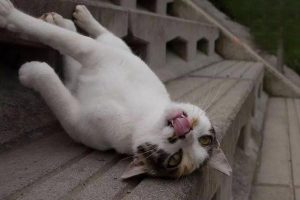
Heart failure is the syndrome in which a weakened heart cannot pump enough blood, causing congestion and poor tissue supply. It may follow severe infection, toxicity, kidney disease, or sudden exertion, and shows as breathlessness, weakness, and fluid buildup. Treatment eases the heart's workload and supports circulation.
Bladder Spasm in Dogs and Cats
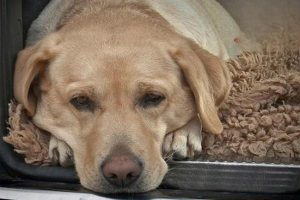
Bladder spasm is a non-inflammatory, cramp-like contraction of the bladder muscle or sphincter that disrupts normal urination. It is often triggered by stones or clots irritating the bladder. Relieving the underlying cause and calming the spasm restores normal voiding.