Search Results
71 results for “cat calming”

A Complete Guide to Spaying or Neutering Your Cat
The best time to neuter is after sexual maturity, around 5 to 6 months, with a vet check and blood work first. Weigh the real benefits, fewer cancers and roaming, against risks like weight gain and anesthesia, and follow strict after-care to heal cleanly.

What to Do When Your Cat Is Not Affectionate
A cat's aloofness is shaped far more by its socialization period than by genes. Kittens that miss gentle, trusting contact with people between roughly 2 and 12 weeks — or that had a bad experience then — grow up wary. There is no quick fix; rebuilding trust is slow, especially over a difficult kittenhood, so focus on steady care, routine, and calming aids like music or pheromones.

Reading Your Dog’s Body Language: Calming Signals
Dogs are pack animals that use 'calming signals' — body language that keeps the peace and heads off conflict. Common ones: yawning when scolded (stress, self-soothing, not defiance), looking away (asking you to stop), lip-licking around strangers (unease), and 'acting busy' by sniffing the ground (refusing contact — push on and you may get a growl). Reading them helps you respond to what your dog is really saying.

What to Do When a Cat Eliminates Outside the Litter Box
A cat that shuns the box is usually acting out from stress, heat, or a genuine illness—punishing it backfires and only deepens the fear. Rule out a new environment, a cat in heat, medical causes (cystitis, UTI, parasites), box aversion, or multi-cat crowding, then fix the trigger and clean the scent with enzymatic solution.

How to Handle a Cat That Gets Cars Sick
Travel with a cat on an empty stomach, give a motion-sickness tablet such as dimenhydrinate (about 12.5 mg) with a calming pheromone spray, and keep the car well ventilated with the carrier up front. Pack a kit of carrier, wipes, blanket, and a litter box in case of vomiting or diarrhea.
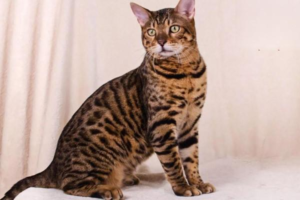
What to Do When Your Cat Is in Heat
A cat in heat can disrupt household life: toms tend to spray urine around the home, while queens yowl loudly enough to disturb sleep and draw neighbor complaints. The most reliable fix is spaying or neutering. Calming powders exist for short-term emergencies but should not be used long term, and the ideal surgery age is still debated between around four months and the traditional six to eight.

How Feline HCM Can Cause Sudden Death in Cats
Feline hypertrophic cardiomyopathy (HCM) is a common, inherited heart condition that can trigger sudden death from stress. Learn the signs, the risk in certain breeds, and how a calm, low-stress life helps prevent tragedy.
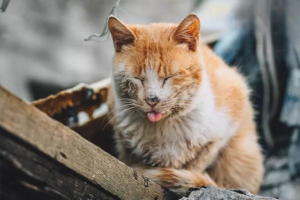
Common Causes of Shivering in Cats and Dogs and How to Manage Them
Shivering is body trembling from cold, emotion, disease, or weakness—common in pets, and seizures include it. Causes range from simple cold to poisoning or infection; this article reviews them.
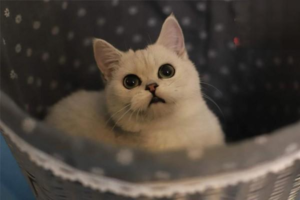
Why Is My Cat Lethargic After Neutering?
Owners neuter cats for health, but some show mild side effects—lethargy being common. Here is why a cat may be low-spirited after neutering.
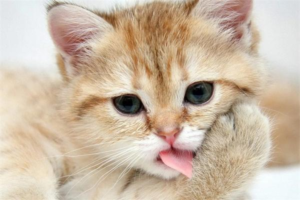
How to Calm a Stressed Cat (Feline Stress Response)
Stress can cause digestive issues, mood swings, and behavior changes. To ease it, find the cause, create a stable safe environment, spend more time, and use pheromones or calming scents. Prevention is a stable home and watching mood. If the cat vomits, won't eat, or shows urinary blockage/blood, see a vet promptly.