Search Results
658 results for “cat breeding”

Feline Hypertrophic Cardiomyopathy: Symptoms, Treatment, and Prevention
Feline hypertrophic cardiomyopathy (HCM) is a frequently inherited heart-muscle disease in which the ventricular walls thicken and filling is impaired. Many cats show no early signs, then suddenly develop breathing distress, weakness, or sudden death from stress or arterial obstruction.

Canine Hypertrophic Cardiomyopathy: Symptoms, Treatment, and Prevention
Canine hypertrophic cardiomyopathy (HCM) is a chronic, often inherited heart muscle disease in which the left ventricular wall and septum thicken, impairing the heart's ability to relax and fill. Many dogs show no signs until they develop breathing difficulty, fainting, or sudden collapse, so early cardiac screening is essential.

Canine and Feline Trichomoniasis: Symptoms, Treatment, and Prevention
Trichomoniasis is a protozoal parasite infection of dogs and cats, most often caused by Pentatrichomonas, that produces stubborn, mucoid, sometimes bloody diarrhea. It spreads through contaminated food and water and is managed with antiprotozoal therapy plus supportive care.

Streptococcal Infection in Dogs: Symptoms, Treatment, and Prevention
Canine streptococcal disease is a zoonotic illness caused by a group of pathogenic pyogenic cocci. Puppies often develop an acute septicemic course through umbilical infection. Bacteremia brings fever, catarrhal to hemorrhagic enteritis, infected inflamed umbilical sites, and joint metastasis causing arthritis, ending in septicemic death.

Canine Herpesvirus Infection (CHV): Symptoms and Care
Canine herpesvirus is a highly contagious virus in dogs that is often fatal in puppies under 21 days old, while older dogs usually show only mild upper-respiratory signs. It can also cause infertility, abortion, and stillbirth in breeding dogs and genital lesions in males.
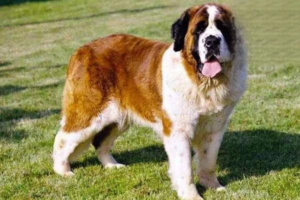
Myths About Spaying and Neutering Your Dog
Pet neutering is long debated; people find reasons to skip it. Is it good or bad for cats and dogs, and what myths exist? Let's look together.

Degenerative Joint Disease (Arthritis) in Dogs: Diagnosis and Treatment
Degenerative joint disease wears away the smooth cartilage that lets joints move without pain. It can last a dog's lifetime, so early recognition, accurate diagnosis, and weight and medication management matter most.

Why Do Some Dogs Have Floppy Ears?
Floppy versus upright ears come from climate, bloodline, crossbreeding, and sometimes low calcium. Cold regions favor dropped ears that hold heat, while hot areas favor upright ears that shed it.
- « Previous
- 1
- …
- 64
- 65
- 66