Search Results
519 results for “cat birth”

How to Safely Cuddle Your Cat and Stay Healthy
Cuddling and nuzzling a cat - playfully called "sniffing the cat" - is a way owners show affection, and cats are uniquely cuddle-friendly because they barely smell. Unlike dogs, whose whole-body sweat glands make them rank without baths, a cat's scattered glands and constant self-grooming, plus sunbathing that kills bacteria, leave little odor. But close contact is not risk-free: diseases in cat feces or on the coat can pass to people. These include toxoplasmosis, cryptosporidiosis, and roundworm (mostly a kitten worry), plus Q fever from Coxiella burnetii, flea-driven skin allergies, and rarely rabies or hepatitis. Enjoy the cuddle, but wash up after, keep indoor cats' litter clean, and be extra careful if you are pregnant or unwell.

Caring for Your Cat During Spring Festival
For the holiday, plan your cat's care three ways. Staying home: stock ample dry food, extra water (evaporation and spills happen) and thick cat litter - one cat wants about three boxes; lay waterproof pads on sofa and bed in case of stress-peeing. Road trip: use a spacious airline crate (not a cat bag for long drives), let the cat adapt to it beforehand with treats and a blanket that release calming pheromones, pack pee pads and wipes, shield shy cats from view, and drive gently since cats get carsick. Boarding: ensure vaccines are current, pick a cat-dog separated, larger space, bring familiar items and pheromone gear. Not all cats suit this - under-six-month kittens, medicated or chronic cats, pregnant or post-birth cats need special care. After return, wait 2-3 days before bathing, and watch for blockage (a post-holiday high-risk period).

What to Do When Your Cat’s Temperature Drops to 37°C
A normal cat temperature sits between 38.5°C and 39.5°C, so a reading of 37°C is below the healthy range and worth taking seriously. The right response depends entirely on the cause. Sometimes it signals a weak or sick cat that needs warmth and a vet; other times it is a normal, expected dip just before labor. Here is how to tell the difference.
Why Do Cats Have Different Eye Colors?
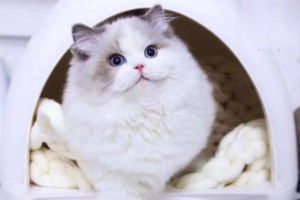
Cat eyes come in an astonishing range of colors - copper, amber, green, blue, orange and brown - and certain breeds are famous for theirs: Ragdolls and Siamese for brilliant blue, while the common domestic shorthair most often shows yellow. But a kitten's eye color is not set at birth. Newborn kittens usually have blue eyes because melanin has not yet activated, and the true color only emerges as they grow. In this article we explain what determines a cat's eye color, at what age it settles, why some cats show a mesmerizing deep blue, and the fascinating genetics behind odd-eyed cats with two different colored eyes.

Feeding Your Cat at Every Life Stage
A cat's diet must shift as it grows, from milk-softened kitten food through high-protein junior meals to fixed adult portions and easy senior diets. Special phases like neutering, pregnancy, and recovery have their own needs. This guide maps food, toppers, and supplements to each age so your cat gets the right nutrition.

Dietary Care for a Pregnant Cat
Pregnancy is a long, delicate process, and a mother cat's nutritional needs rise sharply before and after birth. Poor-quality food or a single, protein-poor diet can slow fetal growth and even cause miscarriage, while too much fat triggers obesity, a leading cause of pregnancy loss. This guide covers balanced feeding and three nutritious ingredients that support a healthy pregnancy.
How to Boost Your Cat’s Immunity
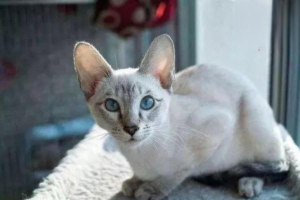
Strong immunity rests on diet and exercise. Feed quality protein, healthy fats, minerals, and taurine, with balanced freeze-dried food and enough water. Add play with boxes, wand toys, and cat tunnels, keeping intensity gradual to protect heart and joints. Consistency is the key to a long, healthy life.
The Story Behind the Lucky Cat and Siamese Lore
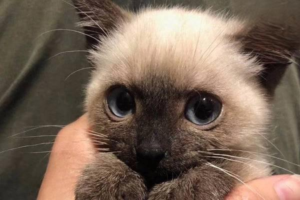
The beckoning cat (Maneki-neko) traces to a poor temple whose cat lured samurai in from the rain, one of whom later donated riches. Siamese cats, meanwhile, carry royal-cat legends, though their curled tails actually come from inbreeding. Many pet tales blend folk hope with marketing.

Postpartum Care for Mother Cats
Cat birth is long and exhausting, leaving the mother weak and far more vulnerable to disease. Poor aftercare can lead to uterine problems or lasting complications, so postpartum care matters. Within two hours of delivery, observe quietly without disturbing her or the kittens. Then focus on three pillars: nutritious food (more protein, fat, vitamins, and minerals, plus broths and milk), a calm, clean, warm environment with a disinfected nest, and vigilance for uterine disease and mastitis—seeing a vet at the first sign of trouble.

Common Genetic Diseases in Ragdoll Cats
Ragdolls are prone to two inherited diseases: hypertrophic cardiomyopathy, where the heart wall thickens and can cause sudden cardiac death, and polycystic kidney disease, where fluid cysts enlarge the kidneys. HCM peaks at four to eight years and affects about 6 percent of the breed; PKD strikes at three to ten and is avoided if both parents test clear. Neither can be cured, only managed with care, kidney-support diets and vet-guided mineral supplements, so DNA testing and routine prevention matter.