Search Results
519 results for “cat birth”
How many kittens does a blue cat usually have in her first litter?
A blue cat's first litter is usually small, around 3 to 6 kittens, and sometimes just 1 to 4 for a young female. An ultrasound or X-ray at 30 to 40 days of pregnancy confirms the count. Good nutrition and pregnancy cat food support a safe delivery.
What are the symptoms of pyometra in female cats?
Pyometra is a serious uterine infection in unspayed female cats. Common signs include fever, increased thirst and urination, a swollen abdomen, and a brown discharge from the vulva. Open-cervix cases may be treated medically, while recurring cases require spaying surgery.
Are indoor cats prone to feline infectious peritonitis (FIP)?
Indoor cats can still get FIP, which arises from mutation of an internally carried coronavirus rather than outdoor exposure. Stress that lowers immunity is the bigger trigger for mutation.

Spaying a Female Cat: Pros and Cons
Spaying removes a female cat's uterus and ovaries, preventing heat cycles and pregnancy while protecting against pyometra, uterine cancer, ovarian cysts, and mammary tumors. The trade-offs are surgical risks, possible post-op infection, slower metabolism and weight gain, and occasional behavior changes, so weigh your cat's health and your own situation before deciding.
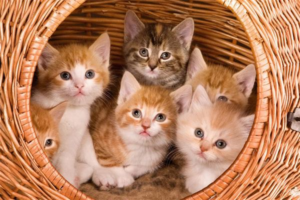
Why Do Mother Cats Get Postpartum Depression?
Postpartum depression in cats has many causes — hormonal shifts as well as environmental and personal factors. After birth, give the mother a quiet, stable environment with enough rest and affection to prevent it. If symptoms appear, get veterinary help promptly so she recovers.
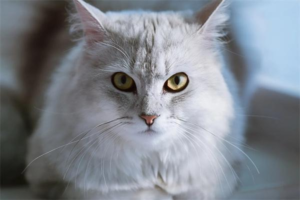
Does a Mother Cat Remember Her Kittens Forever?
A mother cat does not necessarily remember her kittens forever — it depends on separation time, environmental change, and household changes. Keeping the household stable and maintaining regular interaction between mother and kittens can deepen their bond and memory. A few simple habits help a mother cat keep recognizing her young.

Why Do Cats Have Difficult Labor?
Dystocia in cats has many causes: existing health problems or illness during pregnancy, overly large kittens, abnormal positioning, or stress during delivery all raise the risk. Before birth, take steps such as a prenatal check to lower the risk and protect mother and kittens.

Why Your Cat Starts to Look Like You (It’s More Than Mimicry)
Many owners hear that their cat is the spitting image of them, and science backs it up. A British photographer pairing 3,000 cats with their owners found they do grow more alike over time, though a cat's breed determines its looks, not its owner's face. The real similarity comes from behavioral sync, calm owners raise calm cats and anxious ones raise jumpy cats, cats mimic our body language and match our daily rhythms. Psychology's "similarity attraction" means we subconsciously pick cats that resemble us, and brain studies show shared oxytocin and cortisol levels between long-term companions. In short, your cat doesn't become you, it tunes to your frequency.

What Happens When a Cat Lacks Taurine?
Taurine is a nutrient cats cannot make on their own—they must get it from food, so a shortfall quickly harms health. It is vital for eyes and heart: deficiency degenerates the retina and causes irreversible blindness, and it is a leading cause of dilated cardiomyopathy, which improves if caught early but worsens without it. Taurine also powers metabolism and immunity, aids digestion by boosting stomach acid and protein absorption, and supports reproduction—a deficient pregnant cat risks weak, slow-growing, high-mortality kittens. Because cats can't synthesize it, feed taurine-rich foods like organ meat, muscle, and some seafood.

When Does a Pregnant Cat First Produce Milk?
A cat's pregnancy lasts about 60 days, and she usually starts producing milk, the first colostrum, only one to two days before delivery; there is no milk in early or mid pregnancy. The creamy-yellow colostrum is licked off immediately, so owners rarely notice it, but its appearance means birth is near and a birthing area should be ready. The nursing period runs about six weeks, after which kittens are weaned.