Search Results
45 results for “cat bald head”
My cat has three small bumps on its head; could a neighborhood cat have scratched it, or is it poor deworming? Will the fur grow back?
Head bumps can come from scratches, infection or ringworm. Clean and disinfect wounds, and see a vet for a skin scrape if needed.

How to Prevent Heatstroke in Cats in Summer
Cats have no sweat glands and cool only through paws and muzzle, so they overheat fast — heatstroke brings panting, rapid breathing, and can be fatal. In an emergency move the cat to shade, cool it with damp towels and alcohol on paw pads and armpits, and see a vet if needed. Prevent it with a cool airy home, plenty of water, AC around 25°C, trimmed paw fur, and never shave the coat, which protects against water loss, injury, and sunburn.

Why Is My Cat Losing Hair on Its Head?
A cat that rubs its head on things and on you can thin the hair there. More concerning causes are ear mites—look for brown discharge and a foul smell in the ears—and parasites, which usually come with itching and red skin. If the bald spot has no other symptoms and hair grows back, it is likely nothing serious; if it does not, have the cat checked.
Why Is the Fur Above Your Cat’s Eyes Thinning? It’s Often Normal
A bald patch above a cat's eyes is usually normal 'preauricular alopecia' — that brow area overlies scent glands and thins naturally, more so with age or in breeds like Siamese and Maine Coon. Worry only if the skin is red, scaly, or scratched: then rule out mites, ringworm, allergies, or thyroid/adrenal disease with a vet skin scrape.

Can Dogs Go Bald? Understanding Localized Hair Loss
Dogs don't go bald from genetics like people do; their "bald spot" is localized hair loss from salty food, lack of sunlight, over-bathing, follicle damage, poor nutrition, or fungal/mite/bacterial skin disease. Adjust diet and care, limit baths, ensure sunlight and parasite control, and see a vet for serious skin issues.

Why Is My Cat’s Skin Red and Swollen?
Red, swollen, itchy, or balding patches that your cat keeps scratching are often a sign of skin disease, and some types can spread to people, so take it seriously. Common causes include allergies, which usually appear symmetrically with intense itch from food, pollen, dust mites, or contact with irritants; infections that enter through small scratches, such as bacteria causing hot, painful, pus-filled spots, fungi causing round hairless red rings that may glow green under a Wood's lamp and can infect humans, or parasites like mange and ear mites; and rare autoimmune issues like pemphigus or lupus that bring symmetric blisters and general signs. Before seeing a vet, put on an Elizabethan collar to stop scratching, switch to a single-protein hypoallergenic diet, remove suspected allergens, and check with a Wood's lamp in the dark: green glow suggests fungus, treat with ketoconazole ointment, while no glow allows antibacterial ointments like zinc oxide, erythromycin, or mupirocin after clipping, rinsing with saline, and disinfecting with iodine. For severe itch, chlorpheniramine can help. If it worsens or brings other symptoms, see a vet for tests, and add B vitamins and fish oil for skin immunity.

6 Common Cat Diseases and How to Prevent Them
Cats hide pain well and can't tell you what's wrong, so owners need a basic grasp of common feline illnesses. Beyond regular checkups and vaccines, know the warning signs of the six frequent problems: urinary tract disease, respiratory infection, periodontal disease, parasites, ringworm, and ear mites. This guide summarizes each condition's symptoms and the everyday prevention that matters most—more water, less stress, dental care, deworming, and a clean, dry environment.

Why Cats Can Develop Bald or Thin Patches
It is normal for a cat to look a little "bald" in places as long as the skin underneath is healthy — especially where they constantly rub their head against you to leave their scent. Light-colored cats hide it well, but on dark fur the thinning is easy to spot. A bare patch only becomes a concern when it comes with skin problems: round red spots, scabs, broken hairs, or grey dandruff point to a skin disease that can affect people too, and is best treated by a vet.

What to Do When Your Cat Goes Bald in Patches
Thinning fur on a cat's head or cheeks is usually normal, caused by scent glands at work and a sign of affection. Rule out skin disease first, and see a vet if shedding spreads to the ears or face.
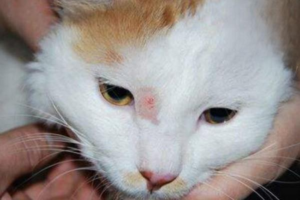
How to Tell If Your Cat Has Ringworm
Ringworm shows up as patchy hair loss with red, irritated skin and itching. Start by checking the ears, since that damp area is a favorite spot, and watch whether the bare patches keep spreading — expanding lesions mean it is time for a vet visit.