Search Results
879 results for “cat antibiotics”

Medications for Treating a Cat’s Cold
Cat colds are usually treated with pet-specific antibiotics such as amoxicillin-clavulanate, doxycycline, or enrofloxacin, given strictly by weight. Keep a mildly affected cat warm and observe it at home, but see a vet if symptoms last beyond 3–5 days or a viral infection (calicivirus or herpesvirus) is suspected.

How to Recognize the Symptoms of a Cat Cold
A cat cold brings red, weeping eyes, nasal congestion, drooling, sneezing, and fever up to 40°C — signs that overlap with feline rhinotracheitis and distemper. Mild cases improve with warmth, good nutrition, and pet-formulated antibiotics, while severe or dehydration cases need a vet.

Cat Hairballs vs. Asthma: Symptoms and Treatment
A hairball causes dry heaves and constipation from swallowed fur, eased with a hairball paste; feline asthma brings neck-extended, open-mouthed wheezing needing oxygen and bronchodilators. The two look alike but asthma is an emergency — keep the cat calm and see a vet.

What Causes Gingivitis in Cats?
Feline gingivitis usually starts with poor oral hygiene but can also trace to nutritional gaps, a wet or sugary diet, oral injury, calicivirus or herpesvirus infection, or systemic illness such as diabetes and kidney disease. Signs include bleeding gums, bad breath, and redness or swelling; a vet visit, professional cleaning, and antibiotics treat it, while regular brushing is the best prevention.

Why Is My Cat Suddenly Peeing on the Bed?
A cat peeing on the bed usually means a lingering urine smell on the sheets, a filthy litter box, heat-related spraying, or a urinary-tract disease. Urinary trouble shows as painful, drippy, or bloody urination and can progress to a blockage — an emergency. Treatment ranges from antibiotics (amoxicillin, amoxicillin-clavulanate, ofloxacin) for inflammation to flushing or surgery plus urine-acidifying drugs for stones.

Symptoms and Treatment of Respiratory Foreign Bodies in Cats
A respiratory foreign body in a cat refers to material inhaled and lodged in any part of the respiratory tract, especially the nose, throat, trachea, and bronchi-the main passages to the lungs. It is caused by an inhaled object small enough to enter the airway but too large to pass through.

Overview of Metronidazole Toxicity in Cats
Metronidazole is a very effective antibiotic commonly used in cats. It is most often used to treat diarrhea caused by gastrointestinal parasites, mainly Giardia.
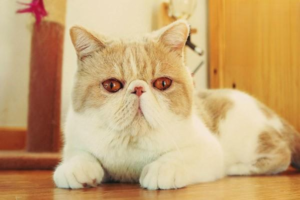
Early Symptoms of Feline Panleukopenia (Cat Distemper)
Many new owners know cat distemper is scary but not its specifics or treatment. Here's an introduction.

Cat Abnormal Bleeding: Diagnostic and Treatment Guide
Abnormal bleeding in cats needs a workup - history, CBC, biochemistry, urinalysis, X-rays, clotting studies, and more - to find the cause (infection, toxin, platelet disorder). Severe cases need IV fluids, transfusion, oxygen, and antibiotics.

Causes of Cat Black Chin (Feline Acne)
The exact mechanism of cat black chin is unclear; research suggests defective follicular/sebaceous keratinization or abnormal sebaceous secretion causes keratinous material to accumulate in chin follicles, forming blackhead comedones.