Search Results
38 results for “canine adenovirus”

Common Causes of Coughing in Dogs
Coughing in dogs most often points to a problem in the respiratory system, but it can also come from heart disease, infectious illness, a swallowed object, or even a fracture. Watching the type of cough - wet, dry, weak, or continuous - and noting whether the dog also loses appetite, runs a fever, or has nasal discharge helps you and your vet pin down the cause. A wet cough with phlegm suggests airway disease, a harsh dry cough may be kennel cough, a weak cough can mean pneumonia, and a repeated dry cough may signal heart trouble. Many conditions from roundworms to heart failure, tracheal collapse, pneumonia, and distemper can all show up as coughing, so persistent or severe cases deserve a veterinary check.

How to Prevent Respiratory Infections in Dogs in Winter
Respiratory disease peaks in winter and during seasonal changes, and is the most common problem seen in clinics. By site it splits into upper respiratory tract (URT) and lower respiratory tract (LRT) infection. URT is mostly viral with secondary bacteria and causes nasal discharge, sneezing, and nosebleeds; LRT is mainly bacterial and brings cough and breathing trouble. Diagnosis separates viral from bacterial with blood work and chest X-rays, and treatment uses vaccines, antivirals, and antibiotics such as doxycycline and enrofloxacin, plus cough and fever control.

Bronchopneumonia in Dogs and Cats: Symptoms, Treatment, and Prevention
Bronchopneumonia (lobular pneumonia) is inflammation of the small airways and alveoli, marked by high swinging fever, rapid breathing, and focal lung sounds. It is treated aggressively with antibiotics, cough and phlegm control, and supportive care.

Laryngitis in Dogs and Cats: Symptoms, Treatment, and Prevention
Laryngitis is inflammation of the larynx causing a harsh cough, throat pain, and difficulty swallowing. It may follow infection, irritation, or inhaled objects, and is treated by removing the cause and easing coughing and inflammation.
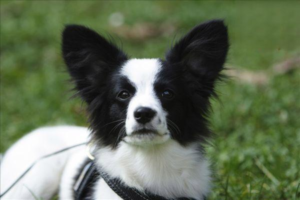
Why a Puppy Has Bloody Diarrhea and How to Treat It
Dogs add a lot of joy to our lives, and many people become healthier with a dog's company. Puppies are as important to most dog owners as family, and when they get sick the owner suffers most. Recently an owner asked why a puppy has bloody diarrhea; we have compiled the relevant information to share.

Why Is My Cat Sneezing
Pets and people sneeze for two usual reasons: inflamed nasal lining or a foreign object in the nostril. If exposed to irritants or a respiratory infection, the lining inflames.

Dog and Cat Vaccines: Types, Schedule & Precautions
Vaccination is the most effective defense against infectious disease in pets. This guide covers dog and cat vaccine types (distemper/parvo, FVRCP, rabies, kennel cough), schedules, and key before/after precautions including deworming and timing.

Does a Dog Have to Be Vaccinated?
Many owners wonder if a dog can skip vaccines — the answer is no. Vaccination protects the dog's health and is required by law. Learn why dogs need shots, the types available, and the key precautions.
How is the Vanguard (WeiJia) dog vaccine?
Vanguard, by Zoetis, includes Wu and Ba types; Vanguard 8 prevents eight diseases with high safety and low allergy risk after clinical trials.
What do you think of the US Vanguard vaccine?
The Vanguard vaccine prevents distemper, parainfluenza, parvovirus, adenovirus types I and II, and leptospirosis - one of the broadest canine vaccines. Vanguard 8 passed trials and is approved, with low side-effect risk. First shots start at 6 weeks, every 3 weeks for 3 doses, then yearly boosters.
- « Previous
- 1
- 2
- 3
- 4
- Next »