Search Results
204 results for “can dogs eat fruit”

Is It Normal for Dogs to Eat Poop?
About 80% of dogs that eat feces are showing normal behavior, not a disease or a nutrient deficiency. It is tied to evolution, digestion, and instinct rather than bad hygiene. Mother dogs may eat puppies’ feces to hide scent from predators and keep the nest clean; puppies often copy adults or explore the smell of undigested food. But long-term coprophagia with a thin body, frequent soft stools, or low energy deserves attention. This article separates normal from concerning causes—hunger, poor absorption, anxiety, or attention-seeking—and gives vet-style fixes: prompt cleanup, better diet, probiotics, and more companionship.

How to Stop a Dog From Eating Its Own Poop
Eating its own stool is a common dog behavior, usually harmless but sometimes a sign of a problem. Causes range from missing nutrients and youth or pregnancy, to lack of training, boredom, or illness such as pancreatitis. To correct it: feed a complete diet with added trace minerals and vitamins, clean up stools promptly, interrupt with a firm 'leave it' and reward stopping, and as a last resort make the stool unpalatable with a safe deterrent. If the habit persists despite these steps, consult a veterinarian to rule out a medical cause. Patience and consistency are what break the cycle.
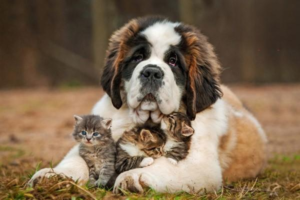
Allergies in Cats and Dogs
An allergy is the body's over-reaction when it meets the same trigger again, and in pets it often runs in families. Sneezing, chronic diarrhea, itchy skin, hair loss, and over-grooming are clues, and severe reactions can be fatal. Knowing the main allergen types helps you remove the cause and get the right care.

Fruits and Vegetables Dogs Should Not Eat
Safe in moderation: apple (no seeds), banana, blueberry, watermelon (seedless). Neutral but unnecessary: cantaloupe, kiwi (peeled), peach/plum/pear (no pits), lychee (no pit) — all sugary. Avoid or dangerous: grapes (acute kidney failure, can kill), macadamia (neuro/muscle, life-threatening), mango, cherry (pit), avocado (persin), pineapple, guava, lemon, star fruit (kidney), sugarcane (chokes). Vegetables: good—carrot, broccoli, bitter melon, pumpkin, sweet potato; always cooked/plain and small.

Dog Bad Breath: What It Might Be Telling You
A few minutes with your dog and you may notice bad breath—which can mean more than odor. Causes range from dental or gum disease (check for tartar and red gums) to kidney disease (breath smells like ammonia from waste buildup), ingested toxins (including rat poison—see a vet fast), diabetes (a sweet, fruity ketoacidosis breath), foreign objects (fishhooks, stickers) or coprophagia, oral tumors (grow fast, may necrose and smell; get checked), and diet (dry vs wet food each has pros and cons). Brushing often fixes mild cases, but a serious underlying cause needs professional treatment.

How to Manage Chronic Indigestion in Dogs
Recurring indigestion in dogs is often linked to poor diet, food allergies, or conditions like gastroenteritis. Managing it starts with the right food: choose an age- and health-appropriate dog food, avoid greasy, spicy, or irritating human foods, and add vegetables, fruits, and fiber to support gut movement. Probiotics or digestive enzymes can aid digestion, while clean bowls and fresh water prevent contamination. Feed smaller, more frequent meals, transition diets gradually, and take your dog for a gentle walk about half an hour after eating to stimulate the gut. Persistent or worsening signs warrant a veterinary visit.
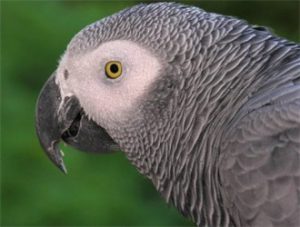
African Grey Parrot
The African grey parrot (Psittacus erithacus) is a large parrot and a typical perching bird, famous as one of the few animals that can truly hold a conversation with humans, with very high intelligence and a lifespan around 50 years.

Diabetes Mellitus in Dogs and Cats
Diabetes mellitus in dogs and cats is a disorder of insulin deficiency or resistance that causes persistently high blood sugar. Classic signs are excessive drinking, eating, and urinating with weight loss, and treatment centers on diet, insulin or other glucose-lowering medication, and monitoring.

Urolithiasis (Urinary Stones) in Dogs and Cats
Urolithiasis is the presence of stones anywhere in the urinary tract - kidneys, ureters, bladder, or urethra - causing painful, difficult urination and blood in the urine. It is linked to diet, low water intake, mineral imbalance, and infection. Diet change, medication, or surgery removes the stones.

Canine and Feline Thelaziosis (Eye Worm Infection): Symptoms, Treatment, and Prevention
Thelaziosis is caused by the nematode Thelazia (eyeworm) that lives under the nictitating membrane of dogs and cats, causing conjunctivitis and keratitis that can impair vision. The worms are physically removed and the eye treated.