Search Results
1558 results for “cage size”

Benefits of Keeping a Chinchilla
Chinchillas, also called chinchilla rats, are popular pet rodents loved for their looks and easy care. They are gentle, clean, low-odor, and hardy; they eat only vegetarian food, use dust baths, and signal fear by barking. Feed limited apple and hay, avoid peanuts, soy, and excess water.

How to Prevent and Treat Rabbit Vesicular Stomatitis
Rabbit vesicular stomatitis has no vaccine or specific cure, so control relies on integrated biosecurity plus symptomatic care. Prevention: good husbandry, no moldy feed, smooth cages to protect teeth. Treatment: isolate, disinfect with 20% caustic soda or 0.5% peracetic acid, rinse mouth and apply iodine glycerin, oral sulfamethazine, and herbal supports.

Rabbit Salmonellosis
Rabbit salmonellosis is a digestive disease caused by Salmonella typhimurium and Salmonella enteritidis, mainly hitting pregnant does. The bacteria are weak against disinfectants such as 3% lysol or 5% lime milk. Prevention centers on hygiene, flock screening, and killed vaccines for breeding and pregnant does.

How to Choose a Hamster Exercise Wheel
A wheel is essential; without one, a hamster's excess energy leads to cage-biting. Wild hamsters roam 10 to 20 km a day, so the wheel meets that need and lifts mood. Pick diameter by breed, dwarf under 17.5 cm and Syrian under 21 cm, bigger is better, a solid gap-free surface to avoid trapped feet, and a quiet model.

How to Prevent and Treat Canine Coronavirus
There is no specific vaccine-free shortcut — good diet management and a clean home are the real prevention. Treatment is symptomatic: oral rehydration, IV fluids, and correcting dehydration. Learn the details.

How to Treat Canine Coronavirus
Note: this is not the human COVID of 2020–2021. Canine coronavirus is a dog infectious disease with clear gut signs; puppies are hit hardest and can die. Learn its treatment and how to prevent it.
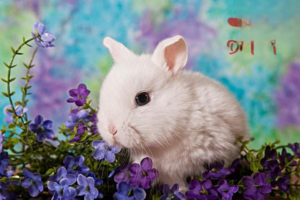
How to Raise Rabbits for Faster Growth
Growth rate is one of the indicators of a rabbit's quality. To raise fast-growing rabbits, focus on selecting fast-growing breeds suited to your local climate, grouping rabbits by size and age for fattening, feeding a balanced grain-based diet on a fixed schedule, providing ample clean water, keeping the hutch clean and well-ventilated, and staying on top of disease prevention.

Breeding Taboos for Rabbits
Good breeding is key to profitable rabbit farming, yet some owners breed does back-to-back regardless of health, leading to many kits but poor survival. Avoid close inbreeding, mating too early, over-mating, summer breeding, early or late weaning, mixed-group housing, and poor management to keep reproduction rates and kit health high.

Can Hamsters Drink Warm Water?
Hamsters evolved in arid deserts and are drought-tolerant, but pets must drink. Use a bottle with boiled-cooled or purified water changed daily; warm water is fine and helpful during diarrhea or winter, but never hot. Vegetables do not replace drinking water.

Rabbit Bloat and Food Accumulation: Signs & Relief
Rabbit bloat from food accumulation shows as a growing belly, refusal to eat, and gurgling sounds. Relief: stop pellets, offer timothy hay, massage the belly, give celery, and watch for mucus that signals enteritis.