Search Results
1558 results for “cage size”
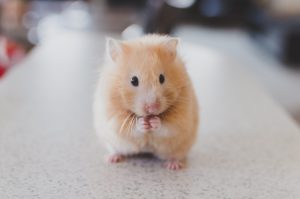
Pudding Hamster
The Pudding Hamster is a popular pet variety named for its pudding-yellow coat. Gentle and easy to handle, it is heat-sensitive, territorial, and can nip — so wash your hands before handling and never co-house it. It lives 1–3 years and needs steady 20–28°C and careful, chew-safe feeding.
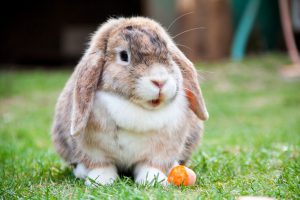
Lop Rabbit
The Lop Rabbit — one of today's most popular pet rabbits — is named for its ears that hang down. Gentle, small, and people-friendly, it is short-lived (usually 5–7 years) and heat-sensitive, needs daily grooming of its dense coat and drooping ears, and must never be picked up by the ears.

LionHead Rabbit
The LionHead Rabbit is a small, gentle pet rabbit named for the ruff of long fur around its head that looks like a lion's mane. Originating in Belgium and bred in the Netherlands and US, it is sturdy and clean, needs daily coat care and a wire-free cage, and lives 5–7 years.

Standard Gray Chinchilla
The Standard Gray Chinchilla — the original 'Totoro' — is a vegetarian rodent from the high Andes of South America. Gentle, clean, nearly odorless and long-lived (8–10 years), it needs a cage, dust baths, constant chewing material, and careful protection from heatstroke.

Crocodile Monitor
The Crocodile Monitor (Varanus salvadorii), also called Salvadori's monitor, is the world's longest lizard at about 5 m, a striking black-and-yellow arboreal monitor from Papua New Guinea. Powerful and potentially dangerous, it needs a large, tall, UVB-lit enclosure and is not for beginners.

FlemishGiant
The Flemish Giant is the largest domesticated rabbit breed in the world, originally from Belgium and recognized by the American Rabbit Breeders Association in seven coat colors. A gentle, docile, and hearty-eater companion that needs generous space and meticulous hygiene, it weighs 6–13 kg and lives around 5–8 years.

Chorea (Involuntary Movement Disorder) in Dogs and Cats
Chorea is a neurological movement disorder in dogs and cats in which muscle groups twitch or jerk involuntarily, producing a dancing, uncoordinated gait. It usually stems from encephalitis linked to distemper, carbon-monoxide poisoning, tumors, or other brain disease, and treatment targets the underlying cause.
My guinea pig’s nose is wet inside — could it have a cold?
A moist nose alone is usually normal in guinea pigs, but check the cage for dust that irritates the airways. If sneezing, labored breathing, or lethargy appear, it's likely a cold — stabilize the temperature and give an isatis-root (banlangen) herbal remedy for three days.
My guinea pig’s nose is wet inside — could it be a cold?
A mildly moist nose is normal for a guinea pig. Clear the cage of dust that can irritate the airways; if there is also sneezing, labored breathing, or lethargy, it is likely a cold — warm the environment and treat with isatis root (banlangen) once daily for three days.
I’m not sure if my hamster is male or female — there’s a lump behind its bottom that looks like a tumor, but it’s only on one side
From the photo, your hamster is most likely male and the swelling is due to being in heat, when the testicles enlarge and the rear appears red and swollen. Intact males also become more active, emit a distinctive odor, and mark their surroundings to attract females. If you don't plan to breed, keep males and females in separate cages.