Search Results
1558 results for “cage size”

Treating a Hamster Injured in a Fight
Hamsters are fiercely territorial and often fight when housed together. After a fight, check the wound closely. Minor injuries can be treated at home: clean with saline, disinfect with iodine, and apply a safe ointment such as chlortetracycline eye ointment or Yunnan Baiyao, while keeping the injured hamster alone in a calm space. For heavy bleeding, large, or deep wounds, disinfect and bandage, then see a veterinarian. Separate the injured hamster at once and watch for any worsening; seek professional care if it does not improve.

What to Do When Your Hamster Has Skin Disease
Hamsters can develop several skin problems, each with its own signs: mange mites cause hair loss, itching, redness, and ulcers; fleas, ticks, or larvae bring itching and wounds; ringworm shows as red, scaly, circular patches; bacteria cause inflammation, ulcers, and swelling; and allergies appear as red, itchy, inflamed skin. Any skin issue warrants a veterinary diagnosis and a targeted treatment plan. Keeping the cage clean and dry, offering regular sand baths, and feeding a varied, nutritious diet all help prevent problems and support the immune system.

Feeding Fruits and Vegetables to Rabbits: What to Know
Fruits and vegetables add useful nutrients and fiber to a rabbit's diet, but not all are safe, and too much causes diarrhea or obesity. Avoid onion, leek, garlic, and chives, herbs like basil and rosemary, and citrus, grapes and raisins, cherries, and persimmons. Hay should be the staple; treats of produce should be only 10-15% of the daily diet. Introduce new foods slowly, wash them well, remove pits, and clear away any leftovers so they do not spoil and upset the gut.

What to Do When a Hamster Is Weak and Lethargic
A usually lively hamster that suddenly turns weak and listless is signaling a problem worth watching. Causes range from illness such as a chill, gastroenteritis, dental trouble, or poor nutrition, to an unhappy environment that is too cold, humid, or noisy, to stress from bullying by other pets or a sudden move, and to a dull diet lacking key nutrients that lowers overall condition. Help it by improving the home: keep it clean, quiet, and comfortable with limited light and noise and add toys and climbs for enrichment. Offer fresh food and water and clear leftovers so it never eats spoiled food, and broaden the diet with vegetables, fruit, and mealworms for full protein, vitamins, and minerals alongside the base mix. If the weakness lingers, see a vet to find and treat any underlying disease. Tackle habits, diet, environment, and stress together for the best recovery.

The Effects of Hamster Inbreeding
Inbreeding hamsters is risky: it raises the chance of inherited disease and genetic defects, lowers genetic diversity so offspring get sick more often, and tends to produce weaker, less intelligent pups with higher death rates and reduced fertility. The main reason breeders do it is to lock in a pure bloodline, but the uncertainty is high. For home keepers, the safe choice is to avoid inbreeding entirely, separate males and females into different cages, and if you do plan a litter, pick two healthy, unrelated hamsters and breed them between 5 and 10 months of age.

When Should You Wean Baby Hamsters?
Hamsters usually begin weaning at about 3 to 4 weeks, though the best timing varies with the individual. You can tell they are ready when they start eating solid food on their own, leave the nest more often, and the mother begins to refuse nursing. After weaning, feed a high-quality young-hamster mix with hay, oats, or millet as supplements, plus small amounts of chopped vegetables and fruit and constant fresh water. Separate the pups into their own cages, feed little and often, keep the cage clean, and maintain a warm, safe environment.

Common Diseases in Hamsters
Hamsters face several common diseases, including tumors, respiratory conditions, digestive problems, skin issues, and dental trouble. Some are easy to prevent, for example by offering chew tools so teeth stay the right length, which lowers the chance of dental disease. To protect your hamster, take preventive measures early, watch its behavior and symptoms closely, and visit a veterinary clinic promptly if anything seems wrong.

How to Prevent Diabetes in Hamsters
To lower a hamster's risk of diabetes, manage its diet strictly, provide enough exercise, reduce stress, and schedule regular checkups to protect its health. Control sugar intake, avoid overfeeding fruits and vegetables, and prevent obesity. Let the hamster exercise to burn excess energy, control weight, and build overall fitness. Dwarf hamsters are especially prone to the disease, so prevention matters from an early stage.

What to Do When Your Rabbit Misbehaves
Rabbits will misbehave from time to time, and when they do, owners should respond correctly without harsh punishment or scolding. Learn your rabbit's temperament and behavior, understand the cause, and guide it toward better habits. Providing a good living environment, setting behavior boundaries, building routines, and ensuring regular exercise and social contact keep a rabbit calm and reduce problem behavior.
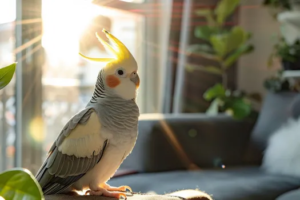
How to Feed a Budgerigar at Every Life Stage
Budgerigars are social, intelligent birds, but their care changes with age. Chicks are the most fragile stage and need frequent hand-feeding with a quality parrot formula and parrot hand-feeding powder, offered in small amounts every few hours around the clock. Adults need a varied diet of grains, vegetables, fruit, and seeds plus a protein boost from boiled egg, formulated protein feed, mealworms, or beans. Through every stage, keep the cage at a comfortable 20-25 C, maintain clean food and water dishes, and allow safe supervised flight time. With the right food and routine, a budgie stays active and healthy.