Search Results
1558 results for “cage size”
Can Chinchillas Get Parasites?
A chinchilla's dense coat makes it hard for most parasites to reach the skin, but contact with infested pets or damp, unsanitary surroundings can still lead to mites, lice, or fleas. Keep the cage dry and clean, check the coat regularly, and see a vet if you spot itching or hair loss.

Signs of Pregnancy in Rabbits
Pregnant rabbits often grow quieter and lazier, eat and drink more, gain weight, and may turn protective or irritable; around days 10 to 15 they start nesting by digging, chewing, and gathering bedding. In the final stretch the mammary glands enlarge with pink areolae, and a vet can confirm pregnancy by ultrasound or palpation. House the doe calmly with enough space, and separate her from other rabbits to avoid fights.

What to Do When Your Hamster’s Nails Get Too Long
Overgrown nails can snag on cage bars and injure your hamster or scratch you during handling, so they need regular trimming. You can have a pet store do it or trim at home with proper small-animal clippers, keeping the session calm and quick to avoid cutting the quick. A rough stone or wooden toy in the cage helps file nails down between monthly trims.
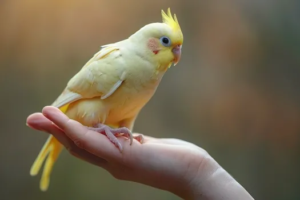
How to Keep a Budgerigar Warm in Winter
Budgies tolerate cold poorly, so act quickly when temperatures drop. Provide a warm, draft-free cage, extra high-energy food and warm water, steady light, and close daily observation so illness is caught early.

What to Do When Your Hamster Has a Bleeding Nose
A hamster's nose can bleed for several reasons, including respiratory infections, inflammation, injury, dry air, or a vitamin deficiency. Light bleeding from a minor scrape often stops on its own, but heavy or repeated bleeding, especially with sneezing, discharge, or labored breathing, warrants a vet visit. Keep the enclosure warm and humid enough and avoid rough handling while the hamster recovers.

How to Tame an Aggressive Cockatiel
A cockatiel that turns aggressive is usually frightened, nervous, or unsettled in its surroundings—not truly mean. Win its trust with patient, gradual contact, a calm setting, and regular gentle interaction rather than force or punishment.
How do you care for a dwarf rabbit?
Use a roomy cage, a bottle waterer, a litter box, and feed pellets plus hay with some vegetables.
Will a hamster freeze to death with only wood shavings in winter?
Yes — wood shavings alone are poor insulation; add cotton, cloth, or heating when it is very cold.

Do Budgerigars Tolerate Cold Weather
Budgerigars are sensitive to cold and cannot survive below 5 C, so keep the room above that in winter. Move the cage indoors and, if needed, use an incandescent lamp or heater. Feeding more oil-rich seeds like peanuts and sunflower helps them build fat reserves. Lower the bath frequency in cold weather, bathe only in warm water, and if a bird catches a chill, keep it warm and use an antibiotic as directed. Good hygiene supports recovery.

White Bear Hamster: Traits and Care
The White Bear hamster is a type of Teddy Bear hamster with snow-white fur and black or red eyes. Many in the "line" group have a short temper, so they are not ideal for first-time owners. Patience and gentle hand-feeding help them bond. They are nocturnal, timid, and prefer hiding, and do best around 27 C. Because they gain weight easily, a balanced diet keeps obesity and its related diseases at bay.