Search Results
108 results for “brushing cat teeth”

Japanese Bobtail
The Japanese Bobtail, also known as the Lucky Cat (Maneki-neko), is very popular in Japan. Cat lovers, upon hearing 'lucky,' want one. It is a native Japanese breed with a history tracing back centuries. Bred in the US after introduction, it is said an American cat lover in Japan found a cat with a short rabbit-like tail and brought several back after WWII; these are the ancestors. The Japanese Bobtail sits with one front paw raised, said to represent good fortune.

Siamese
The Siamese cat, also called the Thai cat, with English name Siamese, traces its origins to Thailand in the 14th century from non-purebred Asian cats. Once living in royal palaces and temples, it was later given as a diplomatic gift to other countries. Famous for its striking color points, blue almond eyes, and vocal, affectionate personality, the Siamese is a beloved and distinctive breed.

Guinea Pig Care Essentials
Guinea pigs (cavies) are social, vegetarian pets that need a companion, a roomy cage, constant access to hay and water, and never onion, garlic, meat, or human snacks. Keep them at 18 to 29°C away from cats and dogs, handle them with support, and groom, trim nails, and bathe in warm sunny spells.
A two-month-old kitten was given yogurt yesterday, then today refuses kibble, foams at the mouth and has bad breath.
Yogurt is generally not recommended for cats and easily irritates a weak kitten's gut; too much cold yogurt can cause enteritis. The bad breath may also be from teething or stomatitis.
Just redness and bad breath.
Red, swollen gums and bad breath in a cat are usually gingivitis or tartar from a lack of regular brushing. If redness is accompanied by drooling and reduced appetite, it may be stomatitis needing a calicivirus check and anti-inflammatory treatment at the hospital.
Why Does Your Kitten Smell Bad? Check These 5 Spots
Cats are clean and rarely smell even without baths; a persistent odor points to a cause. Teething or dental disease (tartar, gingivitis) gives a sulfur smell; ear mites, poor digestion, or impacted anal glands add odor; and a cat that won't self-groom in a dirty home (uncleaned litter, moldy bed, poor airflow) becomes an 'odor magnet.' Check the mouth, gut, anal glands, ears, and environment.
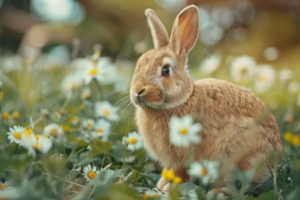
How Long Do Rabbits Live?
A rabbit's lifespan depends on breed, genetics, diet, environment, daily care, and disease prevention. To extend it, give your rabbit a good home, proper diet and care, and timely health attention. With a clean environment, scientific feeding, and routine care plus prevention, you can greatly lengthen a rabbit's life and share more happy years together.

Dog at 7 Is Like a Human at 50: Early Signs of Senior Dog Diseases
At 7, every dog, large or small, has entered its senior years and organs start declining faster. Studies show kidney filtration drops 12-18% and joint cartilage wears three times quicker after 7. Many early signs get mistaken for "normal aging" and missed. Watch for osteoarthritis (stiff rising, hesitant stairs, liking soft beds), dental disease (red bleeding gums, loose teeth, bad breath, favoring soft food), chronic kidney disease (drinking and urinating more, later ammonia breath and weight loss), and cognitive dysfunction (getting lost at home, night waking, forgetting house-training). These diseases can't be cured, but early action slows them and extends life.
How to Raise a Social, Confident Kitten
A confidently social cat is not born that way—it is shaped during the socialization window of 2–7 weeks after birth, when a kitten's brain is most open to new people and experiences. During this period, gradually acclimate the kitten to its home, then to the outside world and strangers; get it used to being touched on paws, mouth, and ears so future grooming is easy; and invite gentle friends to interact on the cat's terms. If you missed the window, an adult cat can still learn with extra patience, treat-based trust, calming tools, and perhaps a calm 'social mentor' companion. Always respect the cat's individual personality.

Does Dog Bad Breath Mean It Ate Poop?
Dog breath is common, but four causes explain most of it - and eating poop is rarely one. Periodontal disease lets bacteria release sulfur compounds; mouth ulcers appear as sudden worse odor; trapped food ferments into a rotten-egg smell; and gut trouble from a messy diet produces foul breath. Improve it by brushing with pet toothpaste, reviewing the diet (skip cheap unbalanced kibble and strong-smelling raw meat), checking the mouth for tartar or ulcers, and watching the stool for digestive issues. For mild cases, use a real antibacterial oral spray - not a fragrance mask.