Search Results
289 results for “bored dog”
Pet CoQ10 Red/Black List Thinking: Reading the Test Data
About 10% of dogs and 7% of cats develop heart disease in their lifetime, and the early signs are easy to mistake for normal aging or a cold — until diagnosis, when the damage is often irreversible. CoQ10 is frequently advised, but 'which one' is the hard part. This guide separates the real science from the marketing: what CoQ10 actually does, the drug it cannot replace, and the four hard metrics a product should meet.
What are the early symptoms of canine distemper and parvovirus?
Early canine distemper shows as respiratory signs - sneezing, runny nose, eye discharge, cough, labored breathing - while early parvovirus brings lethargy, appetite loss, vomiting, diarrhea with a strong foul odor. Both are serious, highly contagious puppy diseases with real mortality; parvo treatment runs about 5-7 days and distemper roughly two weeks, and distemper can leave lingering neurological symptoms even after recovery.
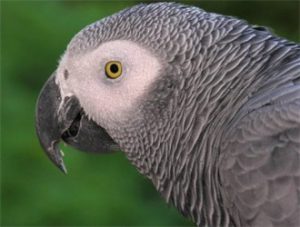
African Grey Parrot
The African grey parrot (Psittacus erithacus) is a large parrot and a typical perching bird, famous as one of the few animals that can truly hold a conversation with humans, with very high intelligence and a lifespan around 50 years.

Canine and Feline Lymphosarcoma
Lymphosarcoma is a malignant cancer of the lymph nodes and lymphoid tissue that affects both dogs and cats, most often dogs over four years of age. It presents in multicentric, alimentary, and thymic forms, each with distinct clinical signs. While incurable, prompt chemotherapy can extend life from a matter of weeks to 6–24 months.

Canine and Feline Splenic Tumors
Splenic tumors in dogs and cats may be primary or spread from other sites, and often stay silent until the spleen is already enlarged, causing bloating, pain, or anemia. Hemangiosarcoma can rupture and bleed dangerously, making prompt care essential.

Canine and Feline Primary Lung Tumor
A primary lung tumor arises in the lung tissue itself and is seen mainly in older dogs and cats, with signs much like pneumonia — cough, weight loss, and poor appetite. Surgical removal of the affected lobe is the preferred treatment, though long-term outlook is limited.

Canine and Feline Urticaria (Hives): Symptoms, Treatment, and Prevention
Urticaria, or hives, is an acute allergic skin reaction in dogs and cats that produces sudden, well-defined wheals and itching, usually fading within a day or two. Identifying and removing the trigger is the key to treatment and prevention.

Canine Hypertrophic Cardiomyopathy: Symptoms, Treatment, and Prevention
Canine hypertrophic cardiomyopathy (HCM) is a chronic, often inherited heart muscle disease in which the left ventricular wall and septum thicken, impairing the heart's ability to relax and fill. Many dogs show no signs until they develop breathing difficulty, fainting, or sudden collapse, so early cardiac screening is essential.

Canine and Feline Toxoplasmosis: Symptoms, Treatment, and Prevention
Toxoplasmosis is caused by Toxoplasma gondii, with cats as the definitive host; dogs and cats are often silently infected but can develop respiratory and nervous signs. It is treated with sulfonamide-based anticoccidial therapy.

Canine and Feline Paragonimiasis (Lung Fluke Infection): Symptoms, Treatment, and Prevention
Paragonimiasis (lung fluke disease) is a zoonotic infection caused by Paragonimus flukes living in the lungs of dogs and cats. It causes chronic cough and breathing difficulty, and is treated with flukicides.