Search Results
1199 results for “body temperature”
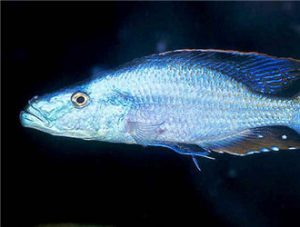
Malawi Eye-biter
The Malawi eye-biter, also called the horseface cichlid, reaches 25 cm as an adult and is native to Lake Malawi in East Africa. Its bizarre, knife-like face and compressed body make it a striking and popular cichlid.
Madagascar Rainbowfish
The Madagascar rainbowfish, also called the Madagascar rainbow or stone beauty, is native to Madagascar. Adults reach 6 to 8 cm and are admired for the shifting bands of color that play across their bodies as the light changes.
Lloyd’s Lyretail
The Lloyd's Lyretail reaches 4–5 cm and is native to East Africa. Called one of the world's most beautiful tropical fish, it is also very hard to keep, among the hardest. Sensitive to hard water, its environment must be carefully managed.

Lin’s Butterflyfish
The Lin's Butterflyfish resembles other butterflyfish but is named for a black sickle-shaped band, also called Scythe Butterflyfish. Minimum tank 265 liters.

Scythemarked Butterflyfish
The Scythemarked Butterflyfish resembles other butterflyfish but is named for a black sickle-shaped band, also called Scythe Butterflyfish. Minimum tank 265 liters.
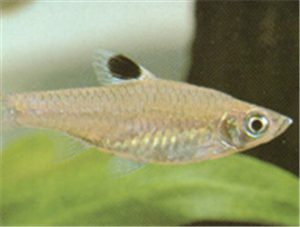
Blue-eye Rasbora
The Blue-eye Rasbora is actually silver-white, but its eyes shimmer blue-green in the lower half under light, hence the name.

Blue Gourami
The Blue Gourami is not hard to keep; its greatest feature is that the pelvic fins have degenerated into long filaments, earning it the name threadfin gourami. Large-bodied, it needs a sizable tank and, being quiet, benefits from planted tanks.

Triangle Rasbora
The Triangle Rasbora, also called the Harlequin Rasbora, is a cyprinid. At 24–28°C its appetite is strong and growth rapid. Gentle, it gets along with other fish but not large ones.

Blue Oranda
The Blue Oranda is a goldfish variety, distinctive for its sky-blue or pale-blue body, hence popular. As a goldfish it is easy to keep and not demanding about water.
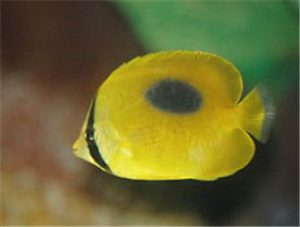
Mirror Butterflyfish
The Mirror Butterflyfish is yellow, distinguished by a large round black spot below the soft dorsal fin and no other markings, earning it the names Yellow Spot and Tear-drop Butterflyfish.