Search Results
1199 results for “body temperature”

How to Make Alfalfa Powder for Homemade Cat Food
Alfalfa powder is a simple, nutrient-rich topper for homemade cat food, yet many owners aren't sure how to make it. The process is quick: a handful of alfalfa, a few seconds in a grinder, and it's done in under five minutes. Alfalfa grows on fertile soil with roots that reach deep for minerals, and as a dried plant it keeps its enzymes and is packed with vitamins A, B, C, D, E, and K plus antioxidants that aid digestion. A teaspoon a day for a 4-5 kg cat is plenty, and it stores dry at room temperature.

Preventing Autumn Diarrhea in Dogs
Dogs can get diarrhea in any season, usually from poor feeding habits or a habit of chewing whatever they find. Frequent bouts leave the gut fragile and hold back healthy growth, so prevention matters most when the weather turns. In autumn, sharp day-and-night temperature swings, a seasonal rise in infectious disease, and faster food spoilage all raise the risk. A warm sleeping spot, up-to-date vaccinations, and fresh, properly handled food are the three habits that keep a dog's stomach settled through the change of season.

Grooming and Coat Care for Your Cat
Shedding is normal—fur renews daily and surges with the seasons (long coat out, short coat in for summer; kept for winter). But shedding also rises from artificial temperature swings, poor diet (low protein/vitamins), skin damage (parasites, bad shampoo), hormonal imbalance after spay/stress, or old age. Improve coat quality with a clean, suitable environment, sunlight in short doses, and enough protein plus meat toppers. Groom by brushing out loose fur, massaging the skin, and a warm damp-towel wipe once a week to cut random shedding.
Concerning Cases of Dog Vomiting
Vomiting itself is common in dogs, but certain patterns signal something more serious than a simple upset stomach. Seasonal vomiting is often pathological, and owners should match the symptom to its likely cause. A cold, a bacterial imbalance, or intestinal parasites each produce a distinct picture—from clear mucus with sneezing to worms appearing in the vomit. Knowing what to look for helps you decide between home care and a prompt trip to the vet, and ensures a heavy parasite load or deeper illness is not missed.

What Are the Symptoms of a Dog Cold?
Dog cold symptoms mirror those of cats and people—mostly upper-respiratory: sneezing, runny nose, cough, and fever. A bacterial cold usually comes from getting chilled (sudden temperature drops, high humidity, or a wet coat after a bath) and is often mild, sometimes needing only simple care; with Bordetella infection a dog will cough. A viral cold demands attention—the top suspect is distemper, whose signs span the respiratory, digestive (vomiting, diarrhea), nervous (loss of balance, head tilt, tremors, seizures), and skin (pustular rash, thickened nose/paw pads) systems. Know the difference so you can act fast.
Physiological Traits of Newborn Puppies
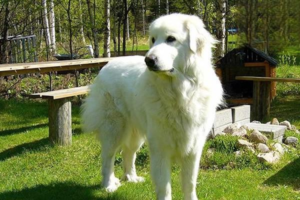
Newborn puppies are fragile and depend entirely on their mother. They can't stand at birth, regulate their own temperature, or control elimination, and their digestive and immune systems are still developing — they get early immunity only from the mother's colostrum, which drops sharply after 25 days. Good daily care means a warm, quiet nest, supplemental warming if the mother is absent, scheduled nursing with small frequent milk feeds, and daily checks of elimination. Watch for diarrhea and keep the umbilical area clean and disinfected with iodine to prevent infection.

Can a Cat Die from a Cold?
A cat's cold is usually not fatal if it stays mild, but ignoring it—letting a secondary virus take hold or failing to care during an outbreak—can indeed be deadly. Viral and bacterial colds are the dangerous ones; feline herpesvirus (cat flu, or rhinotracheitis) is the common viral form, and stray cats left untreated can die, while house cats should see a vet for targeted treatment. Later signs include thick nasal discharge, weeping or cloudy eyes, conjunctivitis, constant sneezing and cough, lost appetite, and low spirits. Prevention centers on vaccination against herpesvirus (though vaccines aren't 100% effective) plus disinfecting the environment, since the virus survives about 24 hours. Keep a sick cat warm—the virus replicates better at low temperatures.

How to Care for a Netherland Dwarf Rabbit
Netherland Dwarf rabbits are active and need both proper housing and a sensible diet to stay healthy. Provide a cage of roughly 80×60×70 cm with soft bedding, safe toys, and chew sticks, and keep the environment at a stable temperature with low humidity, gentle light, and minimal noise. Feed mainly fresh hay (timothy, mixed, or alfalfa) for dental and digestive health, supplement with quality pellets, a little fruit and vegetables, and constant clean water—but control portions, since these rabbits gain weight easily. Build trust slowly through hand-feeding and gentle handling, and check coat, skin, eyes, ears, and teeth regularly.
Treating a Dog’s Vomiting from Heatstroke
For a dog vomiting from heatstroke, move it to a cool, airy spot and lower its temperature with cool (not ice-cold) water or alcohol wipes—too-cold water traps heat by clamping vessels. Keep the neck extended to ease breathing, give oral saline, and stop cooling once normal temperature returns. Clear vomit from the mouth and keep the head low to prevent aspiration pneumonia.

Treating and Preventing Turtle Water Mold Disease
Poor water quality from leftover food and waste is the root cause of turtle water mold, usually from poor management. Treatment uses antifungal medication—povidone-iodine applied topically, diluted soaks, gentle brushing, or in severe cases miconazole ointment with dry-docking—always keeping the environment at 28–32°C. Prevention means sunlight, prompt cleanup of food waste, regular water changes, and isolating sick turtles. Do not confuse water mold with normal shedding.