Search Results
1199 results for “body temperature”

Emergency Care for a Pet With Heatstroke
Dogs cool only through their paw pads and tongue, so a thick coat turns summer into a sweater; heat, humidity, no water, hard exercise, or even clothes and shoes can tip them into heatstroke. Know the signs, and if you cannot reach a clinic, cool the body safely while rushing for help. This guide covers causes, symptoms, and emergency steps.

How to Prevent Dog Asthma Attacks
Dog asthma cannot be cured, only controlled through careful care, which usually keeps attacks at bay. To lower the chance of an attack, keep the environment clean and disinfected, groom the dog regularly, ventilate the home and avoid strong smells, and prevent intense exercise or over-excitement. If an attack happens, consult a veterinarian before giving any medication; never dose blindly. With good management, asthma can be controlled effectively.

How to Prevent Gastric Ulcers in Dogs
A gastric ulcer in dogs is a chronic sore between the cardia and pylorus that can penetrate the full thickness of the stomach lining, and most cases trace back to serious illness such as kidney failure or tumors. They arise from stress, drug side effects (especially NSAIDs and steroids, with ibuprofen especially dangerous), excess acid, poor feeding, or toxins and other diseases. Signs include vomit that looks like coffee grounds, belly pain, weight loss, and black tarry stools. Diagnosis uses blood work, X-ray, ultrasound, and endoscopy, and treatment targets the cause while curbing acid with antacids and acid blockers.

What to Do When Your Cat or Dog Has Chronic Constipation, Diarrhea, or Indigestion
About 60 to 80 percent of a cat or dog's immune system resides in the digestive tract, and a healthy gut is the body's first line of defense against pathogens and toxins. When the intestinal flora falls out of balance, pets frequently develop constipation, diarrhea, and poor digestion and become far more prone to illness. Diet, stress, medications, and a naturally smaller microbiome all influence gut health. Probiotics can help restore balance, but most beneficial bacteria are destroyed by stomach acid or by heat during food processing. This guide explains why gut balance matters, what disrupts it, and how to choose a heat- and acid-resistant, high-activity probiotic that actually survives to reach the intestines where it is needed.

What Happens When You Overfeed a Turtle?
Overfeeding burdens a turtle's digestive system and can lead to diarrhea, indigestion, and gastroenteritis over time. Leftover food fouls the water, lowering immunity and raising the risk of eye infections, shell rot, and skin disease. Rapid growth that outpaces shell renewal can even cause deformity. To avoid these problems, control portion size and feeding method. Hatchlings need daily feeding, but no more than the size of the head; adults tolerate hunger well and can be fed every few days.

Why Is a Cat’s Nose Always Wet?
A moist cat nose surprises many first-time owners, but the reason is simple: a cat sweats through only two spots on its body, and the nose is one of them. Drinking, washing, and leaving scent marks also add a little moisture. A wet nose helps with temperature control and scent marking. A dry nose is not automatically a sign of illness; it varies with season and indoor air. Only a persistently dry nose, or one that is overly wet from a runny nose, deserves attention.
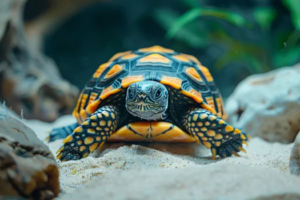
How Often Do Turtles Shed Their Shell?
Turtle shell shedding (ecdysis) is a normal part of growth: as the body enlarges, the old shell can no longer contain it, so a new one forms underneath. Turtles usually begin shedding around age 2 to 3, with each cycle lasting 1 to 3 months, most often in spring and summer when metabolism is high. After age 6, growth stabilizes and shedding slows. Owners must let the scutes detach naturally—never pull them—and boost calcium and nutrition during the process. This article explains the timing, care, and warning signs.
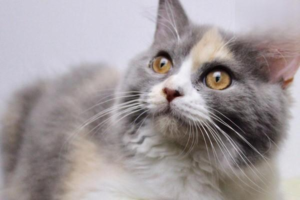
Health Checks Every Cat Owner Should Know
Must-do checks: a baseline exam plus a four-way infectious test (panleukopenia, herpes, calicivirus, coronavirus) for every new cat—do it early, before symptoms turn deadly. Antibody tests suit cattery-bought kittens. Pre-surgery bloodwork matters for seniors; post-illness rechecks and fecal/SAA/urine tests catch parasites, inflammation, and urinary disease. Skip unnecessary ones: toxoplasma testing is mainly for pregnant households, and X-rays are for swallowed objects or fractures.
Why Did My Blood Parrot Cichlid’s Tail Turn Black?
Blood parrot cichlids are popular aquarium fish, and owners are often alarmed when a fish's tail slowly turns black. The cause is usually practical rather than mysterious—water temperature swings, poor water quality, a fright, or a bacterial black-spot disease. Most cases trace back to husbandry, so the fix is often a better water routine. This guide explains the common reasons and the matching treatment to bring the color back.
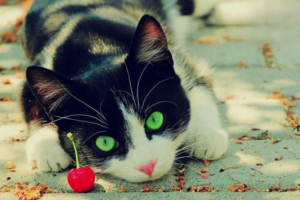
Why Is Your Cat Meowing So Much?
Frequent meowing is like a baby's cry—usually a need or a bid for security. Check the basics first: hunger (refill food), thirst (cats hate stale overnight water—change it daily, use cooled boiled or purified), a dirty or moved litter box, temperature (or tight clothing), and pest bites (time to deworm). Heat (intact cats, females ~6 months, males ~10) and illness or pain are next; do a one-minute body and stool check, and consult a vet if it persists. Some breeds (Devon Rex, Li Hua, Ocicat) are just chattier, and some cats learn that meowing earns treats—reward quiet instead.