Search Results
1199 results for “body temperature”
Arowana Cloudy Eye: A Common Arowana Disease
Arowana cloudy eye is usually caused by poor water quality or an eye injury that lets bacteria in, and it progresses through four stages. Mild early cases often clear up with simple water changes, while advanced cases need salt, heat, and medication.
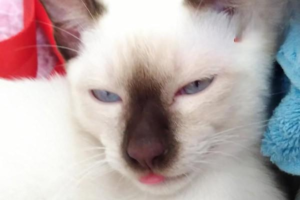
Pale Nose and Sleepiness in Cats? Likely Anemia
Cats hide illness well, so subtle signs like anemia slip by. Here are the symptoms, causes, and treatment of cat anemia.
What to Do When a Blood Parrot Cichlid Has White Fungus
Some fish lovers buy blood parrots for their looks, then notice a clear white frost on the body and panic. Here our experts explain what to do about white frost on a blood parrot.
Why Do Blood Parrot Cichlid Eyes Turn Red?
Why do blood parrot cichlid eyes turn red? Is it sick? In most cases red eyes come from poor water quality. Owners just need to change water promptly. Here our experts explain the causes and fixes.

How to Tell Guinea Pig Colds, Bronchitis, and Pneumonia Apart
Guinea pig colds, bronchitis, and pneumonia overlap but differ: colds bring fever and watery discharge; bronchitis adds wet coughs, breathing difficulty, and purulent discharge; pneumonia shows severe labored breathing, wet lung rales, X-ray shadows, and high white cells. See a vet for confirmation.
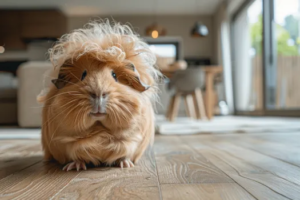
What to Do When a Hamster Has a Cold
Hamsters catch colds from chills, damp cages, or human transmission, with sneezing, lethargy, and later appetite loss. Isolate a sick hamster, keep it warm, offer isatis-root water for mild cases, and see a vet for severe ones — most antibiotics are unsafe for hamsters.
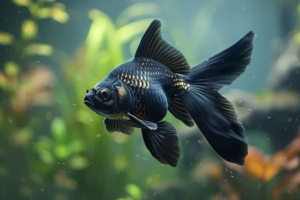
What Should You Avoid When Keeping an Arowana?
With its majestic look, the arowana adds life to a home and is loved and sought after, even credited with feng shui meanings of protection and fortune. But despite the good symbolism, it is not easy to keep. Here our experts introduce the taboos of arowana keeping, hope it helps you keep them well.

How to Dry-Dock a Turtle and What to Watch For
Dry-docking means keeping a turtle out of water in a dry, warm, humid spot to heal — NOT starving it of water. Soak 1-3 times daily for 10-60 minutes and feed during soaks; it helps shell rot, skin rot, and swollen eyes. Never dry-dock long-term (dehydration, shell curl, rickets); dry the turtle and return it to the heated box after each soak.

Why Captive Breeding of Pig-Nosed Turtles Is Hard
Pig-nosed turtles are hard to keep and even harder to breed in captivity. They need large, stable, clean warm water and get aggressive in groups; they mature very late (males ~14-16 years, females ~20-22); and they nest on dry-season sandbars, hatching only when floods raise nest oxygen/water — a cycle hard to mimic. Eggs hatch in 64-74 days artificially.

Is a Shivering, Lethargic Parrot Just Cold?
A shivering, listless parrot is not always just cold — it may be frightened, chilled, fighting a cold, or suffering diarrhea. Warm the bird, offer pellets or tylosin for colds, and use gentamicin for diarrhea, but get a vet check first if unsure.