Search Results
1199 results for “body temperature”

Common Goldfish Diseases and Their Prevention
Common goldfish diseases include white spot (ich), cloudy eye, saprolegniasis, enteritis, fin/tail rot, and dropsy (pinecone disease). Learn these to prevent and lower illness risk. Water quality is the main health factor—keep it clean with regular changes and cleared waste to avoid bacterial growth and infection. Keep temperature steady and oxygen sufficient.

Why Is a Young Kitten Cold and Weak?
A cold, weak kitten may be from low temperature, poor nutrition, lack of security, or illness. Newborns can't regulate temperature, so cold environments drop their body heat. High nutritional need means shortage causes weakness and low temperature. Early separation from the mother or threats causes stress. Illnesses like respiratory infection or indigestion also cause it. Respond with warmth, nutrition, treatment, and a safe environment.

Notes on Keeping Goldfish in Winter
Winter's low temperature slows goldfish metabolism and weakens immunity, so adjust diet and water changes. Reduce feeding amount and frequency and lower change frequency. Avoid adding new fish in winter. Watch their condition for early signs; manage diet and water changes to lower illness risk.
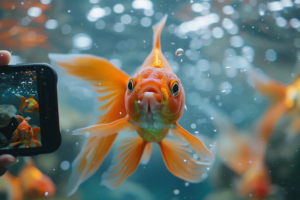
Why Arowana Refuse to Eat
Many factors cause arowana to refuse food - large water-quality swings, sudden environmental change, indigestion, a monotonous diet, or illness. Solutions differ by cause: change and stabilize the water, let the fish rest quietly, fast and regulate digestion, vary the diet, or treat the specific disease. Check water, environment, food, and health to find the cause.
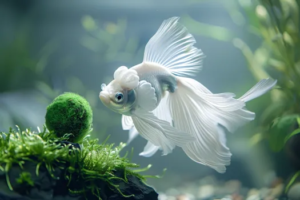
Can a Broken Arowana Fin Recover?
Whether a broken arowana fin recovers depends on severity. If not fully severed, it usually regrows with clean water, steady temperature around 30C, and good nutrition, though slowly and less perfectly. Fully severed fins rarely recover. Keep water quality high and be patient through the long regrowth.

Goldfish Stress: Symptoms and What to Do
Stressed goldfish lie on the bottom, look unwell, eat and move less, and make more slime; severe cases show body congestion. Respond by fixing water (change, add microbial agent), oxygenating 24h, fasting, and keeping the environment quiet. Prevent with good, stable water, controlled temperature, and safe food.

How to Tell Male and Female Goldfish Apart
Mature goldfish differ by body shape, color, tail, vent, and temperament: males are slender and vivid, females stocky and duller; the male vent is long and thin, the female's round and larger. Males are bold and active, females calm. During breeding, the female's swollen belly and the male's chasing make it obvious.

Possible Causes of Sudden Death in Arowana
Arowanas are hardy, adaptable, and long-lived, so a sudden death usually means the owner missed an underlying illness—the fish was sick, not suddenly fatal. This article analyzes the likely causes of abrupt arowana death.
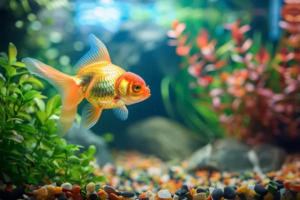
Why Do Arowana Scales Raise (Pinecone Disease), and How to Treat It
Arowana scale-raising has three causes—handling-related, parasitic, and bacterial—each needing different treatment. Find the real cause and treat accordingly. This article covers the common causes and treatments.

Seasonal Cat Care: Managing Your Cat Through the Year
A cat's care needs change with the seasons. Spring brings heat and shedding, summer risks heatstroke, autumn is breeding and molting season, and winter calls for sunlight and warmth. This guide covers the key management points for each season.