Search Results
1199 results for “body temperature”

Key Measures for Fattening Meat Rabbits
Fattening meat rabbits well depends on site and housing, environment control (30–32°C for kits, 10–25°C adults, 60–65% humidity), hygiene, good breeds, regular deworming, clean feed, grouping, quiet management, and timely sale by 5 months.

Dog Asthma
Asthma in dogs sounds unfamiliar, but dogs can get it. Attacks are sudden and acute. By cause, dog asthma is split into extrinsic, intrinsic, mixed, drug-induced, and exercise-induced types. Read on for the details.

What You Should Know About Heatstroke in Dogs
Dogs cool themselves mainly by rapid panting because they have almost no sweat glands, so they overheat quickly in summer. Recognize early signs like heavy panting and red gums, and act fast—move to shade, offer cool (not ice) water, and cool the paws—then see a vet.

How to Care for Unweaned Rabbit Kits
Unweaned kits are fragile—they need colostrum within 6 hours, a warm dry nest, balanced nursing, and gradual bedding changes, with supplementation from 18 days and weaning at about 35 days once they reach 1.2 lb. Careful nursing raises survival.

Guinea Pig vs. Hamster: What’s the Difference?
Guinea pigs (cavies) and hamsters look alike but differ: cavies are larger, tailless, social, and herd-minded; hamsters are compact, tailed, solitary, and hoard food. Cavies are calm herbivores needing company, quiet, and dry space.

Do Pet Rabbits Really Not Need Baths?
Rabbits can be bathed, but rough handling or wrong water temperature causes dangerous stress. Use rabbit-safe products or plain water, be gentle and quick, and dry thoroughly with a low, indirect warm airflow. Bathe only when truly needed—each bath is a risk.
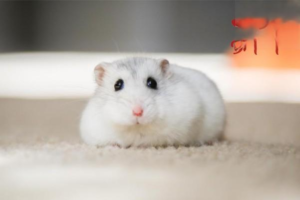
What Are the Symptoms of a Hamster Catching a Cold?
Hamsters have relatively weak constitutions and are easily chilled, and once chilled they will catch a cold. Today we talk about the symptoms of a hamster catching a chill.

How to Care for a Hamster
Small and lively hamsters are gradually gaining people's favor, and many people are eager to raise hamsters. Today we tell you how to raise hamsters.

Common Causes, Medications, and Prevention of Sneezing and Runny Nose in Dogs and Cats
Sneezing and runny nose in pets are symptoms of disease, usually caused by respiratory infections. Sneezing and a runny nose are physiological responses of the nasal mucosa to various irritants; the more common causes are colds and rhinitis. Next, we introduce the causes of sneezing and runny nose in dogs and cats and the medication treatment for the corresponding diseases.

Factors That Influence Rabbit Foot Dermatitis
Rabbit foot dermatitis (sore hocks) is driven by genetics, body size, hutch dampness, and cage-floor construction. This article breaks down each risk factor and the clinical signs to watch for.