Search Results
1199 results for “body temperature”

What to Do If You Find a Stray Kitten
Finding a stray kitten does not always mean you should take it. If it looks healthy and the mother may still return, watch from a distance for 30 minutes to 3 hours first. Once you commit, the priorities are warmth, a vet check, and round-the-clock feeding with kitten formula — never bathe it or drop it at a crowded shelter. Kittens under three weeks cannot regulate their own temperature and need feeding every 2 to 3 hours.

Why Your Cat Keeps Entering the Litter Box
A cat that repeatedly visits the box but produces little or no urine is likely blocked — a medical emergency. Causes range from salty food and a dirty box to stones or tumors obstructing the urethra. Get an ultrasound and X-ray promptly; delayed blockage can cause kidney failure or a ruptured bladder.

What to Do When a Cat Hates Baths
Cats evolved in dry deserts and dread getting wet, but skipping baths invites parasites and skin disease. Desensitize early, use a big non-slip tub with chest-deep water, wash back-to-front, keep water off the face, and clip nails 2–3 days ahead. Don't bathe a sick, newly vaccinated, or dewormed cat.

Dog Fever: Symptoms and How to Tell
A feverish dog turns sluggish and sleepy, loses interest in food and play, and may show a dry hot nose, rapid panting, or red eyes — all signs to see a vet. While owners without medical training should head to the clinic, you can lower the temperature first with physical cooling: alcohol on the belly and ears, or a towel-wrapped ice pack on the belly for a minute at a time.

Dog Sneezing and Runny Nose
Sneezing and a runny nose in dogs usually mean a chill or a common cold, but in puppies or unvaccinated dogs they can be the first signs of distemper or parainfluenza. At home, keep your dog warm, offer easily digestible food and plenty of water, and check its temperature regularly. If a fever develops, see a vet promptly rather than waiting it out.

Why Cats Hate Baths and What to Do
Cats resist baths because their desert ancestors relied on light, dry fur for speed and warmth — wet fur feels heavy and cold, a fear baked into their genes. Ease young cats in gradually after vaccines, use dry shampoo for the terrified, or let a groomer handle it, and watch for post-bath illness signs.
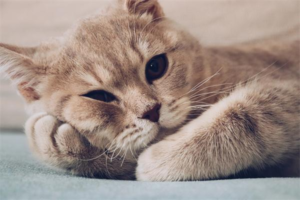
Should a Cat’s Nose Always Be Wet?
A moist nose is normal for a cat, but a dry one is not automatically a problem — low humidity, heat, or just waking from sleep can dry it briefly. Persistent dryness with other signs such as lethargy, sunken skin, or fast breathing may point to dehydration or illness and warrants a closer look.

Canine Hypoglycemia: Symptoms and Treatment
Dog hypoglycemia is a disease in which the blood glucose concentration drops to a certain level. If found in a hypoglycemic dog, treat it promptly.

Clinical Signs of Canine Distemper
Canine distemper is a disease that requires prompt treatment; without timely care, severe symptoms appear and the pet's vital signs weaken. Vaccination against distemper should be done regularly. The schedule is: first vaccination at 50 days of age, second at 80 days, third at 110 days, then once a year thereafter. Many core vaccines are on the market - six-in-one, five-in-one, and three-in-one - but the six-in-one vaccine is recommended as it protects against more viruses.

Why Is a Dog’s Nose Cold?
A dog's pride is its nose - it smells and even senses temperature. A wet nose gathers scent and cools inhaled air.