Search Results
1199 results for “body temperature”

Why Do Turtles Bask in the Sun?
Basking is a natural and necessary behavior for most turtles. Proper basking helps sterilize the shell, regulate body temperature, absorb calcium, and enhance shell coloration. Owners should provide a suitable basking spot and understand the precautions—avoid intense direct sun and limit basking time—so the turtle's health isn't harmed.
What Are the Signs of a Dog About to Give Birth Within an Hour?
About an hour before delivery, a dog may continuously dig at its nesting area while a small fluid-filled blister appears at the vulva containing pale green or yellow liquid. Body temperature also drops 1–2°C. When you see these signs, set out the prepared whelping box and let the dog settle in, then observe quietly from a distance.
Is Your Cat More Sensitive to Cold or Heat? What Every Owner Should Know
A cat's normal body temperature is 37.5–39.2°C, and its limited sweat glands make it far better at handling cold than heat. Heat stress can set in above 38°C (panting, lethargy, drooling, even collapse), while most cats feel cold below 10°C — kittens, seniors, and short-haired breeds need extra warmth. Keep the home between 16–21°C and warm the bed in winter.
What are the signs before a cat dies?
Before death a cat becomes lethargic, less active, sleepy and may go into shock; body temperature drops, limbs turn cold and stiff; breathing weakens or becomes labored with open-mouth breathing, heartbeats fade, mucous membranes turn blue, then the heart stops.

What Is Dog Cryptorchidism and Why Treat It?
Cryptorchidism is when one or both testicles fail to descend into the scrotum, staying in the abdomen or groin. It is strongly hereditary, an autosomal recessive trait, so affected dogs must not be bred. Because the retained testicle sits at body temperature, its cancer risk rises sharply with age and threatens the dog's life. The standard treatment is surgical removal of BOTH testicles, which also neuters the dog; recovery needs rest and limited activity for 1-2 weeks.

Why Are Your Cat’s Paw Pads Warm?
Warm paw pads are a normal physiological phenomenon in cats, the result of metabolism, circulation, and the keratin layer working together. Paw pads naturally run warmer because they hold many sweat glands that help release heat and regulate body temperature. After activity or in a warm room, warm pads are expected. Only abnormally hot pads with clear discomfort suggest a health problem worth checking.

Can Hamsters Die from Sunlight?
Hamsters can die from too much sun. As nocturnal animals, they prefer cool, dim environments, and direct exposure to strong sunlight can seriously harm their health. Their thin skin burns easily under UV rays, their eyes are adapted to darkness and can be damaged by bright light, and because they cannot regulate body temperature like humans, they overheat quickly and may suffer heatstroke, dehydration, or heat exhaustion. To keep a hamster safe, avoid prolonged sun exposure, maintain a habitat around 18-24°C with shade and good ventilation, and always provide fresh water.
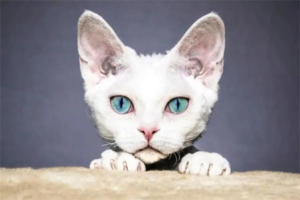
Is It Normal for a Cat’s Ears to Feel Hot?
A cat's normal body temperature runs a little higher than a human's, so ears that feel warm to the touch are usually normal. But ears hotter than usual can signal a problem—stress or anxiety, a respiratory infection, ear inflammation, or simply a warm room. To decide whether it's normal, look at the whole picture: lethargy, reduced activity, poor appetite, or red, smelly, discharging ears all call for a vet. A quick nose check and a thermometer (normal 38–39.5°C; above 40°C needs prompt care) will confirm a fever.

Why Cats Eat Less in Winter (and What to Do)
Cats are poor at regulating body temperature, so when it gets cold their metabolism slows and appetite often drops. Lower winter activity also weakens gut motility, slowing digestion and leading to reduced interest in food. Appetite loss can also signal a health problem—a chill, a cold, oral disease, or long-term cold drinking water causing stomach upset. To help, warm your cat's surroundings, feed on a fixed schedule, and boost palatability by mixing in favorites like chicken, fish, freeze-dried treats, or egg yolk, and serve food slightly warmed. If you notice sneezing, runny nose, lethargy, fever, diarrhea, or vomiting, see a vet.

Do Rabbits Need to Hibernate?
Rabbits do not hibernate. As warm-blooded animals, they regulate their own body temperature and stay active through winter. That said, they still feel the cold despite their thick fur, so owners must provide warmth and shelter when temperatures drop. Moving the hutch indoors, sealing drafts, lining the cage, and adding soft bedding all help prevent chilling. Adjusting the diet with extra food and higher-calorie items supports their increased winter energy needs. This article explains why rabbits skip hibernation and how to keep them safe in cold weather.