Search Results
1274 results for “blood test”
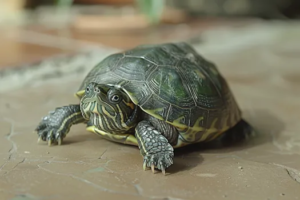
Internal Parasites in Turtles: Flukes and Protozoa
Flukes and protozoa are among the more common internal parasites in pet turtles, and knowing their signs helps you act before they drain your turtle's health. Flukes lodge in the liver, pancreas, and gut, causing appetite loss and bloody stool, while protozoa such as amoebas inflame the intestine and often trigger bacterial enteritis at the same time. Both are diagnosed through fecal checks and treated with specific dewormers plus gut support. This guide lays out the symptoms and the matching treatment for each parasite.

Your Dog’s Pica (Eating Non-Food) Is Simpler Than You Think
Pica is when a dog eats non-food items. Some dogs fixate on one object; others eat all sorts of strange things. It is dangerous because what they swallow usually stays in the gut undigested or disrupts digestion. Pica is not the same as eating feces—that common behavior is not classified as pica and is no cause for alarm. Causes range from simple hunger, poor nutrition, and hormonal imbalance to diabetes, thyroid disease, and even separation anxiety or stress (some breeds like Labradors are more prone). Diagnosis needs blood, stool, and urine tests, with no guarantee of an answer. Treatment depends on the cause: physical pica with digestive upset may improve by splitting two large meals into 3–4 small ones plus deworming and nutrition; psychological pica needs patient, cumulative retraining. Above all, do not blindly dose supplements—every dog's pica has a different cause.

How to Tell If Your Cat Has Parasites
Kittens often get parasites from mother's milk; adults pick up eggs or infected prey. Knowing the warning signs lets you act early. External parasites are visible: itching, hair loss, lice clinging to skin, white flea eggs, and black specks (flea dirt) that turn red in water—which also hints at tapeworm, since fleas host it. Internal parasites show as dull coat, pale gums (anemia), tarry stool, vomiting, appetite loss, swollen belly, lethargy, or visible worms/segments in stool. See an online vet or clinic for a test.

A Complete Guide to Pet Spay and Neuter Surgery
Spaying or neutering is one of the most responsible decisions a pet owner can make. For dogs and cats, the ideal window is around 6 to 8 months of age, ideally before the first heat cycle, which lowers the risk of reproductive diseases and unwanted behaviors. The procedure should only be performed on a healthy animal that is fully vaccinated, has adequate antibody levels, and is regularly dewormed. Once you choose a trusted veterinary clinic, you can book the surgery and share your pet's age, vaccination, and deworming history. The clinic will explain pre-operative fasting rules. This guide walks you through the timing, preparation, and the step-by-step process on the day of the operation so you know exactly what to expect.

What to Do If Your Dog or Cat Has Tapeworms
Many species of tapeworms parasitize dogs and cats, and the adult worms seriously harm their health, while the larval stages often use livestock or humans as intermediate hosts, threatening both animals and people. Common species include Dipylidium caninum, Taenia spp., Echinococcus granulosus, Mesocestoides, Spirometra mansoni, and Diphyllobothrium. Infection causes intestinal inflammation, malnutrition, and in severe cases intestinal blockage, with signs like vomiting, diarrhea, weight loss, and odd behavior. Diagnosis relies on clinical signs plus fecal egg exams. Prevention means regular deworming, not feeding raw offal, and controlling fleas. Treatment uses praziquantel (5 mg/kg dogs, 2 mg/kg cats), arecoline hydrobromide, bunamidine, or fenbendazole under veterinary guidance. Because some tapeworms (like Echinococcus) also endanger human health, prompt and correct control matters.

How to Prevent Heartworm in Cats
Heartworm actually takes hold in a cat's lungs, not the heart, and although cats are not the worm's natural host, they can still be infected by a mosquito carrying larvae. Cats are often overlooked: infection rates are only 5–15% of a dog's under the same conditions, symptoms are subtle (about 28% show none), and tests are less accurate than in dogs. Prevention matters — avoid mosquitoes and use a vet-prescribed monthly topical preventive. Test for infection before giving any preventive, since treating an already-infected cat can cause shock.
How to Supplement Vitamin B for Your Cat
Vitamin B deficiency in cats frequently appears as skin trouble—especially ringworm—along with a dull coat, weight loss, and loss of appetite, and in serious cases it can progress to eye and nerve problems. Because cats cannot store or synthesize enough B vitamins on their own, daily diet matters. This guide covers the warning signs of deficiency, why human B supplements are a poor fit for cats, and safe ways to meet their needs: B-rich cat food, small amounts of fruit, thorough drying after baths, regular disinfection of bedding and surroundings, and sunlight to help keep skin healthy.

Is a Pet Health Check-Up Really Necessary?
Like human screenings, pet check-up prices vary by region, and yes, it's an extra cost—but it's not wasted money. A check-up includes an external exam (eyes, ears, mouth), bloodwork (inflammation, infection, anemia, organ function), radiology (bones and organs), fecal testing (parasites), and urinalysis (urinary tract; in older cats it also shows kidney health). Cats and dogs have limited lifespans and often develop multiple diseases in old age, so early detection changes the outcome. Schedule a first exam at about 30 days old, yearly for seniors, and roughly every two years for healthy adults. Always use a proper veterinary clinic.

Cat Vomiting After Every Meal: What to Do
When a cat throws up everything it eats, the cause may be a gut blockage from a swallowed object or hairballs, organ disease in adults, or acute gastroenteritis from bad food, parasites, or infection. Get a vet check first, bloodwork, fecal, and imaging pinpoint the cause. If a clinic isn't possible immediately, fast 4-6 hours, then a vet-prescribed gut antibiotic and anti-emetic can ease pain and protect the gut lining; hairball paste and probiotics help if it's just hairballs or a partial blockage. Untreated, frequent vomiting leads to dehydration and worse.

Treating Hookworm Infection in Dogs
Hookworm disease in dogs is caused by the dog hookworm (Ancylostoma) and the narrow-head hookworm (Uncinaria). These small parasites latch onto the intestinal wall and feed on blood; severe infection causes pale mucous membranes, weight loss, a rough coat, poor appetite, vomiting, and alternating diarrhea and constipation with bloody, tarry, foul stools. In puppies, skin invasion causes inflammation, and infection in 3-week-old pups can cause fatal anemia. Treatment starts with deworming—an injectable antiparasitic against hookworms, with pyrantel or levamisole also used for killing—and severe cases need supportive care such as iron supplements or a transfusion for anemia.