Search Results
1274 results for “blood test”

Health Check and Prep Before Bringing a New Cat Home
Before a new cat comes home, a health check is the smart first step, plus a few daily supplies once it arrives. A pre-purchase exam, blood and stool tests, and X-rays map out the kitten's condition. Then watch for the big early risks: panleukopenia, cat flu, ear mites, and gastroenteritis. Avoid baths or shaving unless a skin issue demands it, since the stress can trigger behavior problems and illness. Knowing the warning signs helps you act fast.

How to Tell If Your Cat or Dog Has Glaucoma
Glaucoma is a common eye disease in cats and dogs where blocked fluid drainage raises eye pressure, damages the optic nerve, and can end in blindness. It always comes with high eye pressure. Signs include a cloudy or enlarged eye, a fixed dilated pupil, vision loss, redness, and head pressing. Diagnosis uses eye-pressure and fundus exams, and treatment ranges from pressure-lowering drugs to, in severe pain, removal of the eye.

When Cat Bad Breath Signals a Real Problem
Cat bad breath isn't just funny; it can point to digestion issues, kidney failure, feline leukemia, diabetes, or most often the mouth itself. Untreated plaque lets bacteria rot teeth, inflame gums, and even enter the blood to harm heart, lungs, liver, and kidneys. Check for trapped food, broken teeth, swollen gums, tartar, and ulcers, then clean or treat.

What Is Storage Disease in Dogs?
Storage disease is a hereditary metabolic disorder where certain substances build up abnormally in the body's tissues. The two most reported forms in veterinary medicine are lysosomal storage disease and glycogen storage disease. It strikes dogs and cats, is very rare, and appears early in puppies and kittens because it is inherited. Nerve-related signs include poor growth, ataxia, seizures, exercise intolerance, behavior changes, and vision loss. Diagnosis uses blood, urine, imaging, biopsy, and enzyme tests; care is supportive, and affected dogs should never be bred.

Your Dog’s Urinary Tract Troubles
Lifting a leg to mark is normal, but uncontrolled dribbling or frequent tiny urinations may mean urinary stones or infection. Watch for pain, abnormal or discolored urine, incontinence, and odor. Care includes vet urine tests, more water, more walks, diet changes for stones, and never self-medicating.

What Is Uveitis in Cats?
Uveitis is inflammation of the uvea, the middle layer of the eye, and it can be painful and watery for the cat. Most cases are not from a clear single cause; some stem from eye problems, others from disease elsewhere in the body. Because uveitis can lead to glaucoma and even blindness, it should never be ignored. A slit-lamp and eye-pressure exam confirm it, and treatment usually means anti-inflammatory eye drops. If no underlying illness is found, the outlook is good.

What Is Diabetes in Cats?
Feline diabetes develops when a cat's body makes too little insulin or responds poorly to it. Without enough insulin, excess sugar spills into the urine and cells starve, sometimes producing toxic ketones. Signs include ravenous appetite with weight loss, dull coat, excessive drinking and urination, and sweet-smelling urine. Diagnosis uses blood and urine tests, while treatment centers on insulin injections, lifelong in most cases. With careful monitoring, diabetic cats can live comfortably for years.
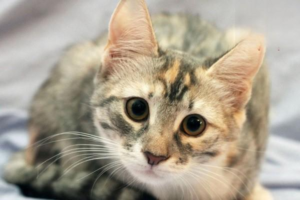
Cat Health Checkup Guide (Part 2)
This second part walks through what actually happens during a cat checkup: the physical, laboratory, and imaging exams. Knowing the routine helps owners make informed decisions and give their cat a more secure, well-supported life.
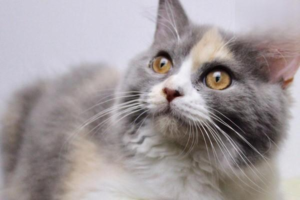
Health Checks Every Cat Owner Should Know
Must-do checks: a baseline exam plus a four-way infectious test (panleukopenia, herpes, calicivirus, coronavirus) for every new cat—do it early, before symptoms turn deadly. Antibody tests suit cattery-bought kittens. Pre-surgery bloodwork matters for seniors; post-illness rechecks and fecal/SAA/urine tests catch parasites, inflammation, and urinary disease. Skip unnecessary ones: toxoplasma testing is mainly for pregnant households, and X-rays are for swallowed objects or fractures.

How Should Dogs Eat Carrots?
Carrots are a great low-calorie treat for dogs—100 g has only 32 kcal and good palatability, so even a dog on a diet can learn to love them. They are rich in antioxidants alpha- and beta-carotene, which convert to vitamin A, potassium, fiber, and other nutrients. Vitamin A aids vision (especially in senior dogs), immunity, and skin health; vitamin B6 helps turn carbs, fat, and protein into energy; and the high fiber supports healthy digestion and stools. One rule: never feed raw carrots—dogs can't absorb the vitamin A in raw carrots, so it is wasted. Cook them: steaming is best (boiling works too), because breaking the cell walls makes nutrients easier to absorb. You do not need to fry them in oil; carotene is fat-soluble, but absorption happens in the intestine, so any fat already in the meal is enough. Feed in moderation based on size and digestion—a Yorkshire Terrier needs only about 1–2 thin slices a day.