Search Results
916 results for “blood loss”

What to Do When Your Dog Has Fleas
Fleas are blood-sucking external parasites that itch and can spread disease. Without preventive care dogs pick them up easily from corners they love to explore. Treat the dog, clean the home, and stay on a deworming schedule.

Common Parasites That Affect Dogs
Dog parasites split into internal, living in the gut, and external, on the skin. Roundworms, hookworms, heartworm, and tapeworms live inside; mange mites, ticks, and fleas live on the surface, and each brings its own risk.

What Are the Signs of Fever in a Dog?
A dog with a fever loses interest in food, turns quiet and withdrawn, and develops a dry, hot nose and ears. Catching these signals early lets you check the temperature and start cooling before the illness worsens.

How to Get Rid of Fleas on Your Dog: Effective Removal Methods
Fleas are blood-feeding external parasites that make dogs itch, damage the skin, and can spread other infections. Effective removal means treating the dog, disinfecting the home, and repeating the process because flea eggs are hard to kill and resist a single treatment.
Why Do Cats Get Fleas and Where Do They Come From?
Fleas are blood-feeding parasites that hide in corners and latch onto cats that aren't on regular prevention. They cause relentless itching and can spread disease. Clearing them means treating the cat and disinfecting the home, with prevention as the real solution.

Do Teddy Dogs Carry Bacteria?
Teddy dogs, like all dogs, carry bacteria from dust, puddles, and poor hygiene, showing as skin, ear, or gut infection. Topical care plus a clean, dry, well-groomed routine keeps it controlled.

Do Dogs Carry Bacteria on Their Bodies?
Bacteria live all around dogs, picked up from dust, puddles, and poor hygiene, and show as skin, ear, or gut infection. Treatment is topical or antibiotic plus a clean, dry space; prevention is baths, vaccines, and deworming.

Why Is Your Dog Vomiting?
Vomiting in dogs most often comes from simple indigestion, but it can also signal chronic gastritis, a respiratory infection, or kidney disease. Feed on a steady schedule to avoid over- or under-eating. Watch for red, bloody vomit, which means internal bleeding and needs urgent care.

Black Specks in Your Cat’s Fur: What They Mean
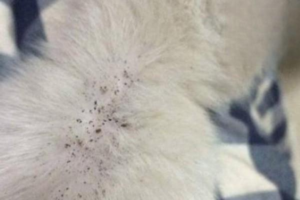
Tiny black specks hidden in your cat's coat are most often flea dirt, but they can also signal ringworm or another external parasite. The quick paper test — a damp tissue turning reddish-brown — confirms flea waste. Routine parasite control and a clean, dry environment are the best defenses.

Why Your Dog Has Black Patches on Its Belly
Black patches on a dog's belly can be harmless skin thickening from fleas, or a sign of fungal, bacterial, or mite infection. They should not be ignored—working out the cause is the only way to treat it, and good flea control prevents most cases.