Search Results
916 results for “blood loss”

Common Human Foods That Are Dangerous for Dogs
Many everyday human foods are toxic to dogs, and even small amounts of xylitol, chocolate, grapes, onions, or alcohol can cause serious harm or death. This guide lists 16 foods to keep away from your dog, plus a few safe options you can share in moderation.

What to Do When Your Dog Is a Picky Eater
Picky eating often starts with table scraps and home-cooked meals. Fix it by separating human food from kibble, scheduled feeding with a 10-15 minute window, more exercise, and puzzle feeders, and get the whole household to stick to the plan.

Do Cats Fart?
Cats do pass gas, usually silently and nearly odorless. Diet is the usual cause of smelly, frequent gas, but pairing it with appetite loss, vomiting, or diarrhea means a vet visit.

What Causes a Cat to Vomit
Cat vomit comes in many forms, from harmless hairballs to warning signs like blood or parasites. Knowing what you are looking at helps you decide when a vet visit is urgent.

What Is Coccidiosis in Cats and Dogs
Coccidia are single-celled gut parasites that hit young cats and dogs hard and can spread to people as chronic diarrhea. A fecal check confirms infection, and sulfonamide or amprolium treatment needs follow-up tests to prevent relapse.

What to Do If Your Cat or Dog Has Diabetes
Diabetes in pets comes from too little or poorly used insulin, so the body burns fat instead of sugar. It can't be cured, but with insulin, diet, and monitoring it is very manageable — and early signs are easy to spot.

The Benefits and Risks of Pumpkin for Cats and Dogs
Although cats and dogs are meat eaters, a sensible amount of plain pumpkin supports digestion, urinary health, weight control, and hairball passage. Served correctly, it's a safe, natural addition to many pets' diets.

Why Your Cat Won’t Eat Its Food
A cat that refuses food needs attention — some causes are simple, others serious. A vet will ask about recent diet and household changes and run tests to find the reason, and prompt care leads to good outcomes for many conditions.
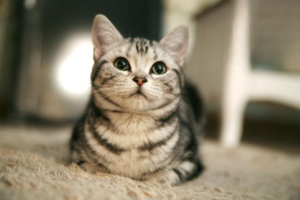
Is Your Cat’s Vomiting a Sign of Illness?
Occasional vomiting in cats has many causes, from harmless hairballs to serious disease. Knowing which warning signs point to a real medical problem — and what to track before you call the vet — helps you act at the right time.

Cat Vomiting: Causes and How to Tell What’s Wrong
Cat vomiting has dozens of causes—from eating too fast and hairballs to infections, toxins like lilies, and organ disease. Telling active vomiting from passive regurgitation, then reading the vomit, frequency, and your cat's energy, narrows the cause before a vet visit.